
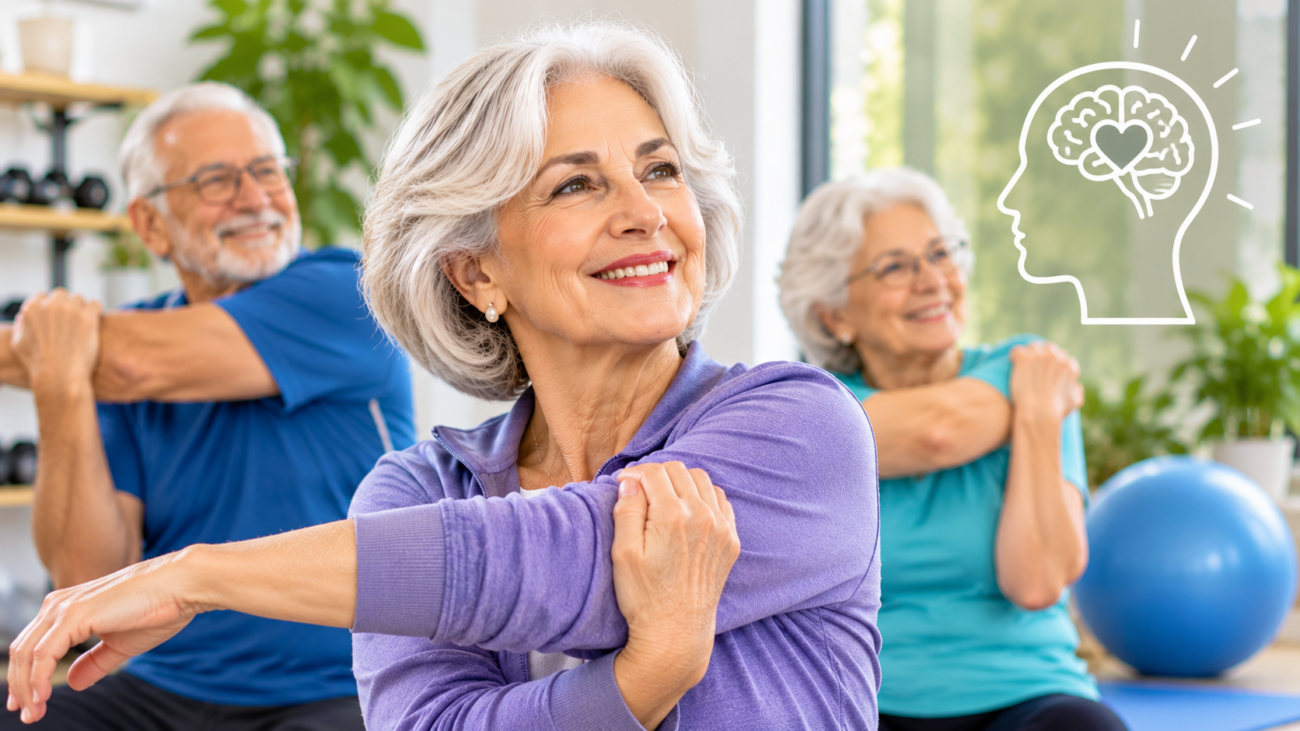
Physical activity is commonly associated with stronger muscles, improved mobility, and better physical health. However, movement can also play an important role in emotional and mental well-being.
For older adults, staying physically active does not necessarily mean participating in intense exercise programs. Walking, gardening, stretching, dancing, and other everyday movements can contribute to a more active and engaging lifestyle.
Understanding the relationship between physical activity and mental wellness can help seniors, families, and caregivers develop routines that support overall quality of life.
Why Physical Activity Matters Beyond Physical Health
Movement affects several aspects of daily living.
Regular physical activity can support strength, balance, mobility, and the ability to perform everyday tasks.
It may also contribute to better sleep, improved mood, and a greater sense of independence.
These benefits are particularly meaningful for older adults who experience changes in physical abilities or daily routines.
Maintaining activity can provide opportunities for personal achievement and help individuals remain engaged with their surroundings.
The most suitable activities depend on each person’s health, abilities, preferences, and medical circumstances.
The Connection Between Movement and Mood
Physical activity is associated with several processes that influence emotional well-being.
Exercise can affect brain chemicals involved in mood regulation and may help reduce symptoms of stress or anxiety in some individuals.
Movement can also provide a welcome change in routine.
A short walk outdoors, for example, may offer fresh air, environmental stimulation, and an opportunity to interact with neighbors.
The emotional benefits of physical activity vary between individuals, and exercise should not be considered a substitute for appropriate mental health treatment.
Nevertheless, suitable physical activity can be a valuable component of a broader wellness routine.
Maintaining Confidence and Independence
The ability to move comfortably can influence how older adults experience daily life.
Activities such as shopping, visiting friends, or participating in community events may become more challenging when mobility decreases.
Appropriate physical activity can help maintain functional abilities and support confidence in performing everyday tasks.
Even small improvements in strength or balance may make certain activities feel more manageable.
For many seniors, maintaining independence is closely connected to emotional well-being.
Caregivers can encourage participation while respecting physical limitations and avoiding unrealistic expectations.
Physical Activity as a Social Experience
Exercise does not have to be an individual activity.
Walking groups, community fitness programs, swimming classes, and recreational activities can create opportunities for social interaction.
These experiences may help older adults develop friendships and maintain a sense of belonging.
For residents of senior living communities, group movement programs can also encourage participation in shared activities.
However, not everyone enjoys group exercise.
Some individuals prefer walking with a family member, gardening independently, or following gentle movements at home.
Providing different options can make physical activity more accessible and enjoyable.
Overcoming Common Barriers to Movement
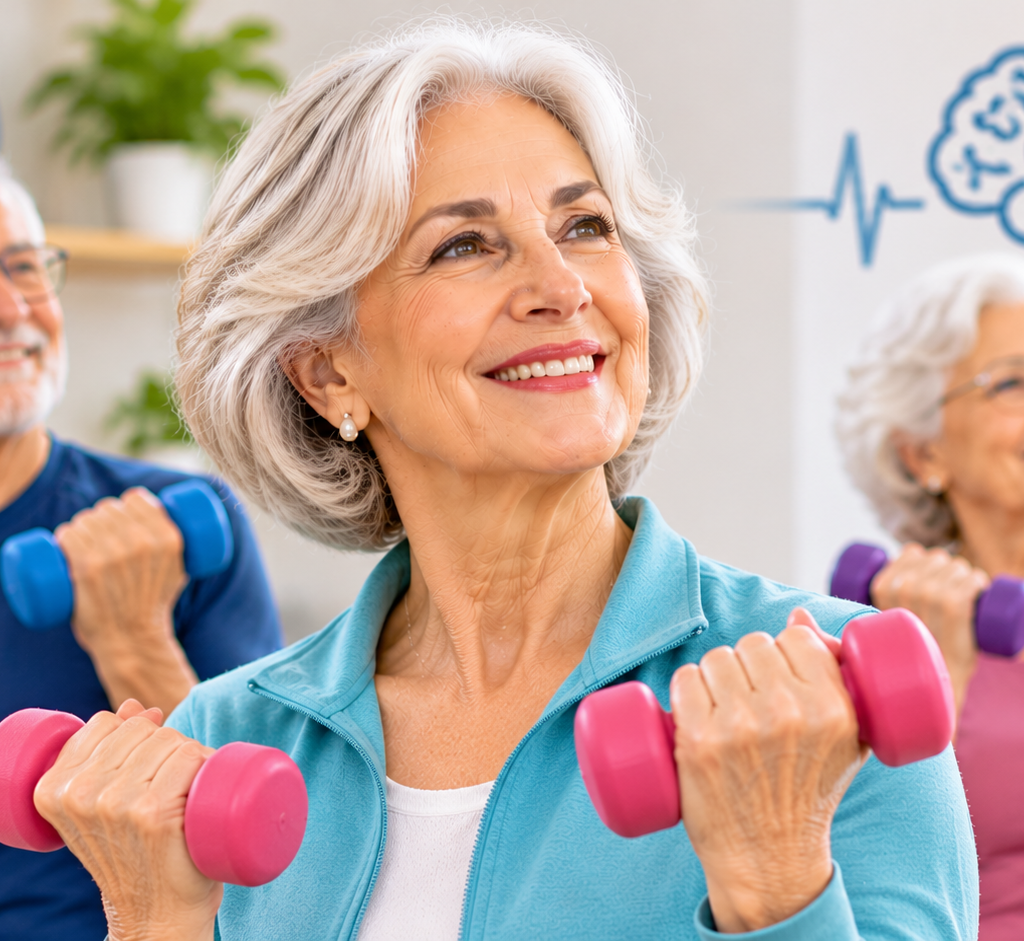
Older adults may face obstacles that make regular physical activity difficult.
These can include chronic pain, limited mobility, fear of falling, lack of transportation, or uncertainty about suitable exercises.
Emotional factors may also influence participation.
Someone who feels discouraged or socially disconnected may find it difficult to begin a new routine.
Families and caregivers can help by focusing on realistic goals and encouraging activities that match the individual’s abilities.
Professional guidance may be necessary when someone has significant health concerns or mobility limitations.
Starting with manageable activities and gradually adjusting routines may support long-term participation.
Why Consistency Is More Important Than Intensity
A sustainable routine is often more valuable than an ambitious exercise plan that becomes difficult to maintain.
Regular opportunities for movement can help physical activity become part of everyday life.
Examples may include:
- Walking around the neighborhood
- Performing appropriate stretching exercises
- Participating in chair-based movement sessions
- Gardening or completing light household activities
- Dancing to favorite music
- Joining an accessible community fitness program
Older adults should follow advice from qualified healthcare professionals when choosing activities, particularly if they have medical conditions or concerns about falling.
The objective is to encourage safe, enjoyable, and appropriate movement.
Looking at Physical and Emotional Wellness Together
Physical activity and emotional well-being are interconnected.
Changes in motivation, energy, mood, or social engagement may influence someone’s willingness to remain active.
Similarly, reduced mobility or changes in daily activity can affect emotional experiences.
Families and care providers may benefit from considering these factors together rather than viewing them as completely separate issues.
Regular conversations about mood, activity, sleep, and daily experiences can help create a more complete picture of well-being.
How Digital Mental Wellness Tools Can Contribute
Digital wellness platforms can encourage individuals to reflect on their daily experiences and emotional state.
When used consistently, structured check-ins may help identify changes in reported mood, motivation, or overall wellness.
Mentaligence is developing an AI-assisted digital platform designed to support mental wellness awareness through regular assessments and the observation of patterns over time.
Such tools may complement physical wellness initiatives by encouraging greater attention to emotional experiences.
They are not replacements for physical assessments, medical advice, or professional mental health services.
Encouraging a Balanced Approach to Healthy Aging
Healthy aging involves more than maintaining physical strength.
Emotional well-being, meaningful relationships, independence, and daily engagement all contribute to quality of life.
Physical activity can be one practical way to support several of these areas simultaneously.
Families, caregivers, and senior living organizations can help by encouraging safe movement, respecting individual preferences, and recognizing the connection between physical and emotional wellness.
Mentaligence is exploring pilot partnerships with healthcare, senior living, and wellness organizations interested in evaluating digital mental wellness monitoring.
Contact Mentaligence to learn more about collaboration opportunities.