
8eaeb3e1-a569-4754-9ffa-3e1b7029b657

Preventing Cognitive Decline in Seniors: Practical Strategies for Healthy Brain Aging

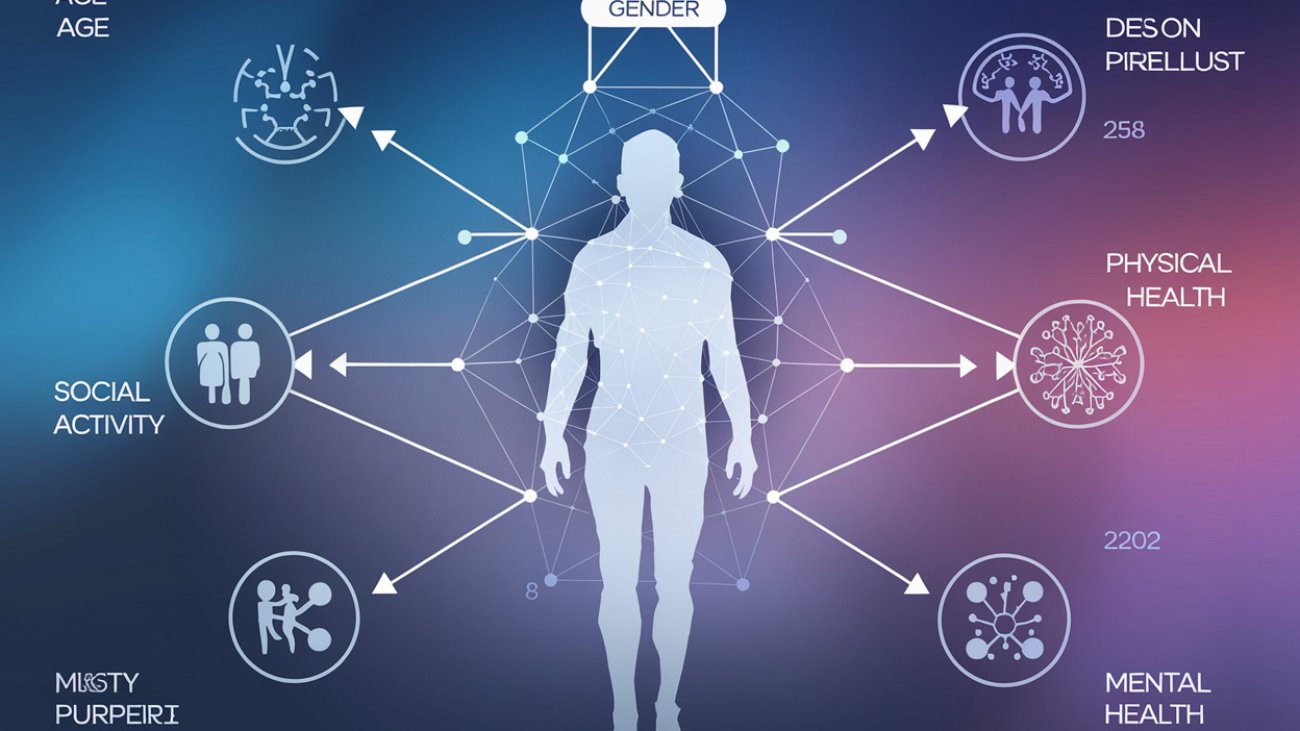
As people live longer than ever before, maintaining cognitive health has become an important part of healthy aging. Many older adults are concerned about memory loss, reduced concentration, and age-related cognitive changes. While some changes in thinking and memory are considered a normal part of aging, significant cognitive decline is not inevitable.

Research continues to show that lifestyle choices, social engagement, physical activity, and mental wellness all play important roles in supporting brain health throughout life. Understanding how cognitive decline develops and what steps can be taken to reduce risk can help older adults maintain independence and quality of life for years to come.

Understanding Cognitive Decline

Cognitive decline refers to changes in mental abilities such as:

  • Memory
  • Attention
  • Learning
  • Problem-solving
  • Decision-making
  • Language skills

Mild cognitive changes may occur naturally with age. However, more significant decline can interfere with daily activities and overall well-being.

It is important to recognize that cognitive health exists on a spectrum. Many individuals experience occasional forgetfulness without developing serious cognitive conditions.

The goal is not to eliminate every age-related change but to support long-term brain function and resilience.

Why Cognitive Health Matters

The brain controls nearly every aspect of daily life.

Healthy cognitive function helps individuals:

  • Manage finances
  • Follow routines
  • Communicate effectively
  • Maintain social relationships
  • Make informed decisions
  • Remain independent

Protecting cognitive health supports not only mental performance but also emotional well-being and overall quality of life.

The Link Between Mental and Cognitive Health

Mental wellness and cognitive health are closely connected.

Conditions such as:

  • Chronic stress
  • Anxiety
  • Depression
  • Social isolation

can influence cognitive performance over time.

When emotional health is neglected, concentration, memory, and decision-making abilities may also be affected.

This is why maintaining emotional well-being is often considered an important component of cognitive wellness.

Stay Physically Active

Physical activity is one of the most effective ways to support brain health.

Regular movement may help:

  • Improve blood flow to the brain
  • Support cardiovascular health
  • Reduce stress
  • Enhance mood
  • Promote better sleep

Activities can include:

  • Walking
  • Swimming
  • Cycling
  • Stretching exercises
  • Low-impact fitness programs

Even moderate activity performed consistently can contribute to long-term cognitive wellness.

Keep the Brain Mentally Engaged

Just as muscles benefit from exercise, the brain benefits from regular stimulation.

Activities that challenge the mind may include:

  • Reading
  • Learning a new skill
  • Solving puzzles
  • Playing strategy games
  • Taking educational courses
  • Practicing creative hobbies

Mental engagement encourages the development of new neural connections and helps maintain cognitive flexibility.

Maintain Strong Social Connections

Social interaction provides important cognitive and emotional benefits.

Meaningful conversations and social activities help stimulate memory, attention, and communication skills.

Older adults who remain socially active often experience:

  • Better emotional health
  • Reduced loneliness
  • Greater cognitive engagement
  • Improved overall well-being

Regular contact with friends, family, and community groups can play a valuable role in healthy aging.

Prioritize Quality Sleep

Sleep is essential for brain health.

During sleep, the brain processes information, consolidates memories, and performs important restorative functions.

Poor sleep may contribute to:

  • Reduced concentration
  • Memory difficulties
  • Increased stress
  • Lower energy levels

Healthy sleep habits include:

  • Maintaining a regular sleep schedule
  • Limiting caffeine late in the day
  • Creating a comfortable sleep environment
  • Avoiding excessive screen time before bed

Consistent sleep supports both cognitive and emotional wellness.

Support Brain Health Through Nutrition

A balanced diet provides important nutrients that support overall health, including brain function.

Many experts recommend focusing on:

  • Fruits and vegetables
  • Whole grains
  • Lean proteins
  • Healthy fats
  • Adequate hydration

Nutritious eating patterns may help support cardiovascular health, which is closely connected to brain health.

Monitor Emotional Well-Being

Changes in mood and emotional health can influence cognitive performance.

Older adults should pay attention to:

  • Persistent sadness
  • Increased anxiety
  • Social withdrawal
  • Loss of motivation

Addressing emotional concerns early may help improve both mental wellness and cognitive function.

Regular self-awareness and mental wellness monitoring can support healthier outcomes over time.

The Growing Role of Digital Health Technology

Technology is creating new opportunities to support cognitive wellness.

Digital tools can help individuals:

  • Track daily well-being
  • Monitor wellness trends
  • Encourage healthy habits
  • Support cognitive engagement
  • Promote greater self-awareness

As healthcare continues to evolve, digital health solutions are becoming valuable resources for supporting healthy aging.

Early Awareness Matters

One of the most important aspects of cognitive health is recognizing changes early.

Subtle shifts in memory, attention, mood, or daily functioning may provide opportunities for proactive support.

Family members, caregivers, and healthcare professionals can work together to identify concerns and encourage appropriate interventions when needed.

Early awareness often leads to better outcomes and more effective support strategies.

Looking Toward the Future

As Canada’s senior population continues to grow, promoting cognitive wellness will remain an important healthcare priority.

Healthy aging involves more than simply treating illness. It requires proactive efforts to maintain mental, emotional, and cognitive well-being throughout life.

By combining physical activity, social engagement, healthy habits, emotional wellness, and emerging technologies, older adults can take meaningful steps toward protecting brain health and maintaining independence.

Conclusion

Cognitive decline is not an inevitable part of aging. While some changes may occur naturally over time, many factors that support brain health are within our control.

Regular physical activity, mental stimulation, social connection, quality sleep, healthy nutrition, and emotional wellness all contribute to healthier cognitive aging.

By taking proactive steps today, seniors can help support brain function, maintain independence, and enjoy a higher quality of life in the years ahead.

Healthy aging begins with awareness, consistency, and a commitment to lifelong well-being.

images (1)

The Essential Role of Family and Caregivers in Supporting Senior Mental Health

As people age, maintaining good mental health becomes just as important as maintaining physical health. While healthcare professionals play a vital role in supporting older adults, family members and caregivers are often the first to notice changes in emotional well-being, behavior, or cognitive function.

The support provided by family and caregivers can significantly influence a senior’s quality of life, emotional resilience, and overall well-being. From daily companionship to recognizing early signs of mental health challenges, caregivers serve as an essential part of a healthy aging journey.

Why Mental Health Matters in Older Adults

Mental health affects how people think, feel, and interact with the world around them. For seniors, emotional well-being influences many aspects of daily life, including:

  • Physical health
  • Social engagement
  • Sleep quality
  • Independence
  • Cognitive function
  • Overall quality of life

Although many older adults enjoy healthy and active lives, some may experience challenges such as:

  • Loneliness
  • Anxiety
  • Depression
  • Stress
  • Grief and loss
  • Cognitive decline

These issues often develop gradually, making early recognition particularly important.

The Growing Importance of Caregivers

As populations continue to age, more families are becoming involved in caregiving responsibilities.

Caregivers may include:

  • Spouses
  • Adult children
  • Relatives
  • Friends
  • Professional caregivers

Their role often extends beyond physical assistance and includes emotional support, companionship, and monitoring overall well-being.

In many cases, caregivers become the primary source of daily interaction for older adults.

Providing Emotional Support

One of the most valuable contributions family members and caregivers provide is emotional connection.

Simple actions can make a meaningful difference:

  • Regular conversations
  • Active listening
  • Shared activities
  • Encouragement
  • Expressions of empathy and understanding

Consistent emotional support helps seniors feel valued, respected, and connected.

Strong relationships can reduce feelings of loneliness and contribute to better mental wellness.

Recognizing Early Warning Signs

Mental health changes often occur gradually.

Family members and caregivers are frequently the first to notice subtle shifts such as:

A senior may become:

  • More withdrawn
  • Easily irritated
  • Frequently sad
  • Less interested in favorite activities

Avoiding family gatherings, community events, or regular social interactions can sometimes indicate emotional challenges.

Signs may include:

  • Altered sleep patterns
  • Reduced appetite
  • Lower energy levels
  • Neglect of personal routines

Caregivers may notice:

  • Increased forgetfulness
  • Difficulty concentrating
  • Confusion during familiar tasks
  • Changes in decision-making

Recognizing these signs early allows families to seek appropriate support when needed.

Encouraging Healthy Daily Routines

Daily habits have a powerful influence on mental wellness.

Caregivers can help seniors maintain routines that support both emotional and cognitive health.

Important habits include:

Regular movement may help improve mood, energy levels, and overall well-being.

Staying connected with friends, family, and community groups promotes emotional resilience.

Activities such as reading, puzzles, learning new skills, or participating in discussions help keep the mind active.

Consistent sleep patterns are closely linked to emotional and cognitive wellness.

Communication Is Key

Open communication is one of the strongest tools caregivers can use.

Seniors may not always discuss emotional difficulties directly. Creating a supportive environment encourages honest conversations about:

  • Stress
  • Anxiety
  • Loneliness
  • Health concerns
  • Life transitions

When older adults feel heard and understood, they are often more comfortable seeking support when necessary.

The Role of Technology in Supporting Caregivers

Technology is creating new opportunities for families and caregivers to support senior mental wellness.

Modern digital tools can help:

  • Monitor wellness trends
  • Track daily check-ins
  • Encourage engagement
  • Improve communication
  • Support early awareness of changes

Digital wellness platforms can provide additional insights that complement personal observation and caregiving efforts.

These tools are becoming increasingly valuable as families balance caregiving responsibilities with busy schedules and geographic distance.

Supporting Independence While Providing Care

One of the challenges caregivers face is balancing support with independence.

Most seniors want to remain active participants in their own health and wellness decisions.

Effective caregiving involves:

  • Encouraging autonomy
  • Respecting personal preferences
  • Offering assistance when needed
  • Promoting confidence and self-management

Maintaining this balance can positively impact emotional well-being and self-esteem.

Caring for the Caregiver

Supporting someone else’s well-being can be rewarding, but caregiving also comes with challenges.

Caregivers may experience:

  • Emotional stress
  • Fatigue
  • Burnout
  • Anxiety
  • Physical exhaustion

Maintaining caregiver wellness is essential.

Helpful strategies include:

  • Taking breaks
  • Seeking support networks
  • Practicing self-care
  • Sharing responsibilities when possible
  • Accessing community resources

Healthy caregivers are better equipped to provide effective support.

Looking Ahead

As healthcare systems place greater emphasis on prevention and early intervention, caregivers will continue to play an increasingly important role in supporting senior mental health.

Family members and caregivers often provide the first layer of awareness, emotional support, and daily engagement that can help older adults maintain their well-being.

Combined with healthcare services and emerging technologies, caregiver involvement can contribute significantly to healthier and more fulfilling aging experiences.

Conclusion

Family members and caregivers are among the most important influences on senior mental wellness.

Their ability to provide companionship, recognize early signs of change, encourage healthy routines, and foster meaningful connections can have a lasting impact on emotional and cognitive well-being.

As the aging population continues to grow, empowering caregivers with knowledge, resources, and supportive tools will remain an essential part of promoting healthy aging and improving quality of life for older adults.

images

The Role of Digital Technology in Enhancing Senior Mental Wellness

As the global population ages, supporting the mental well-being of older adults has become an increasingly important healthcare priority. While advances in medicine have helped people live longer, maintaining emotional and cognitive health remains a significant challenge for many seniors.

Loneliness, social isolation, anxiety, depression, and cognitive decline can affect quality of life and overall health. Fortunately, digital technology is creating new opportunities to support mental wellness among older adults. From virtual communication tools to AI-powered health monitoring platforms, technology is helping seniors stay connected, engaged, and proactive about their mental health.

Understanding Mental Health Challenges Among Seniors

Mental wellness is an essential component of healthy aging. However, many seniors face circumstances that can negatively affect their emotional well-being.

Common challenges include:

  • Social isolation
  • Retirement-related lifestyle changes
  • Loss of loved ones
  • Reduced mobility
  • Chronic health conditions
  • Increased caregiving responsibilities
  • Cognitive changes associated with aging

According to numerous health organizations, loneliness and social isolation are associated with higher risks of depression, anxiety, cognitive decline, and even physical health complications.

Addressing these issues requires innovative and accessible solutions that can reach seniors wherever they live.

How Technology Is Transforming Senior Mental Wellness

Digital technology is changing how healthcare providers, caregivers, and older adults approach mental well-being.

Rather than waiting until significant symptoms appear, modern tools allow for ongoing awareness, engagement, and early support.

Improved Social Connection

One of the most important benefits of technology is its ability to help seniors maintain social relationships.

Video calls, messaging platforms, and social communication tools enable older adults to stay connected with:

  • Family members
  • Friends
  • Caregivers
  • Community groups

Regular social interaction can help reduce feelings of loneliness and promote emotional well-being.

For seniors who live alone or have limited mobility, digital communication can provide meaningful opportunities for connection.

Supporting Mental Health Through Daily Engagement

Mental wellness is often influenced by daily habits and routines.

Digital platforms can encourage healthy behaviors by helping seniors:

  • Track mood changes
  • Monitor emotional well-being
  • Record daily activities
  • Maintain wellness routines
  • Participate in guided mental exercises

Small daily interactions with wellness tools can help individuals become more aware of their mental state and identify changes over time.

Early Awareness of Mental Health Changes

One of the greatest advantages of digital health technology is its ability to support early awareness.

Mental health concerns often develop gradually. Changes in mood, motivation, social engagement, or cognitive functioning may appear long before a person seeks professional support.

Digital monitoring systems can help identify trends and patterns that might otherwise go unnoticed.

For example:

  • Reduced activity levels
  • Consistently low mood ratings
  • Changes in communication habits
  • Increased reports of stress or anxiety

Recognizing these changes early may allow individuals and caregivers to take proactive steps before challenges become more serious.

The Growing Role of Artificial Intelligence

Artificial intelligence (AI) is becoming an important tool in healthcare and wellness monitoring.

AI-powered systems can analyze patterns from daily interactions and wellness assessments to identify potential areas of concern.

Potential applications include:

  • Wellness trend analysis
  • Personalized health insights
  • Cognitive wellness monitoring
  • Behavioral pattern recognition
  • Early warning indicators

Importantly, these technologies are designed to support—not replace—healthcare professionals.

The goal is to provide additional information that may help improve awareness and decision-making.

Encouraging Independence and Confidence

Many seniors value their independence and prefer to manage their health proactively.

Technology can empower older adults by providing tools that encourage self-awareness and engagement.

Benefits may include:

  • Greater confidence in managing personal wellness
  • Improved communication with healthcare providers
  • Increased participation in wellness activities
  • Better understanding of emotional health patterns

When seniors feel informed and involved in their well-being, they are often more likely to remain engaged in healthy lifestyle practices.

Supporting Family Members and Caregivers

Caregivers play a critical role in supporting older adults.

However, it can be difficult for family members to recognize subtle changes in emotional or cognitive health, particularly when they do not see their loved ones every day.

Digital wellness technologies can help provide valuable insights by identifying trends that may require attention.

This can encourage more informed conversations and help families support their loved ones more effectively.

Overcoming Barriers to Mental Health Support

Historically, several barriers have limited access to mental health resources for seniors.

These barriers may include:

  • Transportation challenges
  • Limited access to specialists
  • Geographic isolation
  • Stigma surrounding mental health

Digital health solutions can help bridge these gaps by making wellness resources more accessible and convenient.

As technology becomes more user-friendly, older adults are increasingly adopting digital tools to support various aspects of their health and daily lives.

The Future of Senior Mental Wellness

The future of senior mental health will likely involve a combination of healthcare expertise, family support, and innovative technology.

As populations continue to age, there is growing recognition that mental wellness should be monitored and supported just as regularly as physical health.

Digital tools, AI-powered platforms, and wellness monitoring systems have the potential to improve awareness, encourage engagement, and promote healthier aging experiences.

Conclusion

Technology is reshaping the way we think about mental wellness in older adults.

From improving social connection to supporting early awareness of emotional and cognitive changes, digital innovations are helping seniors maintain healthier and more fulfilling lives.

While technology is not a replacement for human connection or professional care, it can serve as a valuable tool that supports mental well-being, independence, and proactive health management throughout the aging journey.

ChatGPT Image Aug 5, 2026, 11_40_28 AM

How Daily Mental Check-Ins Can Improve Senior Well-Being

When people think about maintaining their health, they often focus on physical activities such as exercise, nutrition, and regular medical appointments. While these habits are essential, mental well-being deserves equal attention, especially as we age.

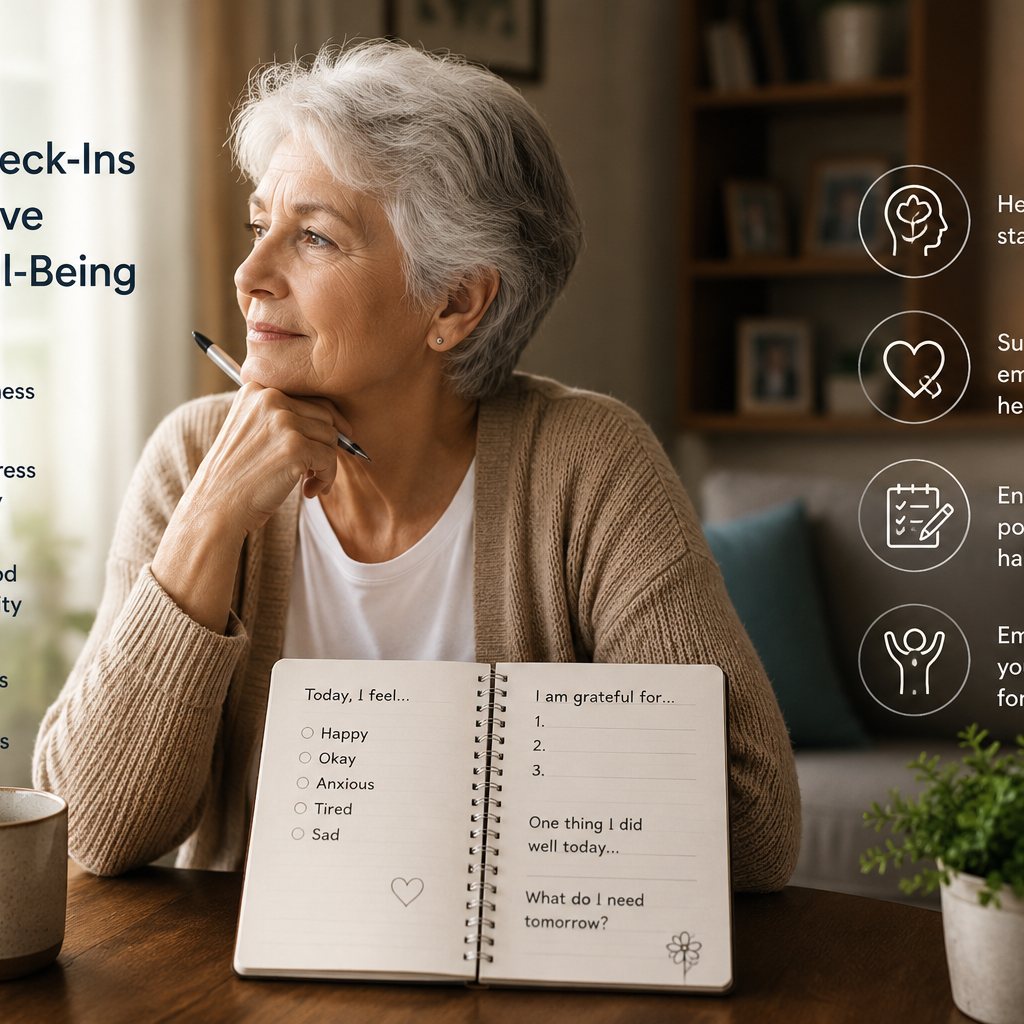
For seniors, emotional and mental health can change gradually over time. Stress, loneliness, health concerns, life transitions, and reduced social interaction may affect overall well-being without obvious warning signs. This is why daily mental check-ins are becoming an increasingly valuable tool for supporting healthy aging.

A mental check-in is a simple process that encourages individuals to reflect on their emotional state, mood, stress levels, and overall mental wellness. Although it may seem like a small habit, consistent self-awareness can provide meaningful insights into long-term well-being.

What Is a Daily Mental Check-In?

A mental check-in is the practice of taking a few moments each day to evaluate how you are feeling emotionally and mentally.

Questions may include:

  • How am I feeling today?
  • Have I been feeling more stressed than usual?
  • Did I sleep well last night?
  • Have I felt connected to others today?
  • Am I experiencing any unusual worries or concerns?
  • How would I rate my mood today?

The goal is not to diagnose a condition but to develop greater awareness of emotional patterns over time.

Why Mental Health Monitoring Matters for Seniors

Mental health challenges do not always appear suddenly. In many cases, changes develop gradually over weeks or months.

Older adults may experience:

  • Increased loneliness
  • Changes in mood
  • Anxiety about health or finances
  • Reduced motivation
  • Difficulty sleeping
  • Emotional stress related to caregiving responsibilities
  • Adjustment challenges after retirement

Because these changes can be subtle, they are sometimes overlooked until they begin to significantly impact daily life.

Regular mental check-ins can help identify trends before they become more serious concerns.

The Benefits of Daily Mental Check-Ins

Many people are unaware of how their emotional state changes from day to day. A daily check-in encourages reflection and helps individuals better understand their thoughts and feelings.

Over time, patterns become easier to recognize, allowing for earlier action when needed.

One of the greatest advantages of regular monitoring is the ability to notice changes early.

For example, a senior who consistently reports lower mood levels for several weeks may benefit from additional support, social engagement, or professional guidance.

Early recognition often leads to better outcomes.

Over time, patterns become easier to recognize, allowing for earlier action when needed.

One of the greatest advantages of regular monitoring is the ability to notice changes early.

Tracking emotional well-being can help seniors communicate more effectively with family members, caregivers, and healthcare professionals.

Rather than relying on memory, individuals can discuss specific trends and experiences, leading to more informed conversations and support.

Early recognition often leads to better outcomes.

Over time, patterns become easier to recognize, allowing for earlier action when needed.

Taking a few moments each day to reflect can create a sense of control and mindfulness.

Many people find that acknowledging their emotions helps reduce stress and promotes emotional resilience.

Mental wellness plays an important role in maintaining independence, quality of life, and overall health.

Daily check-ins encourage ongoing engagement with emotional health, which is a key component of successful aging.

The Connection Between Mental and Physical Health

Mental and physical health are closely connected.

Emotional stress can influence:

  • Sleep quality
  • Blood pressure
  • Energy levels
  • Physical activity
  • Immune system function

Likewise, physical health challenges can affect mood and emotional well-being.

By monitoring mental health regularly, seniors gain a more complete understanding of their overall wellness.

How Technology Is Making Mental Wellness More Accessible

Advances in digital health technology are creating new opportunities for seniors to engage with their mental well-being.

User-friendly applications, wellness platforms, and digital monitoring tools can help older adults:

  • Track mood patterns
  • Record daily wellness assessments
  • Identify changes over time
  • Share information with caregivers when appropriate
  • Maintain greater awareness of emotional health

These technologies are designed to support self-awareness and encourage proactive wellness management.

Tips for Creating a Daily Mental Check-In Habit

Building a new habit does not have to be complicated.

Consider the following strategies:

Keep It Simple

A check-in can take less than two minutes each day.

Be Honest

The value of self-monitoring comes from accurate reflection rather than providing “perfect” answers.

Choose a Consistent Time

Many people find success by checking in during the morning or before bedtime.

Track Trends Rather Than Individual Days

Everyone experiences occasional good and bad days. Long-term patterns are often more meaningful than isolated responses.

Share Concerns When Necessary

If emotional difficulties persist, seeking support from family members, caregivers, or healthcare professionals is important.

Looking Toward the Future

As healthcare continues to evolve, prevention and early awareness are becoming increasingly important.

Daily mental check-ins represent a simple but powerful approach to supporting emotional wellness in older adults. By encouraging self-awareness and helping identify changes early, these practices can contribute to healthier, more fulfilling lives.

Mental well-being should not be viewed as something that is only addressed when problems arise. Instead, it should be monitored and supported just as routinely as physical health.

Small daily reflections can create meaningful long-term benefits, helping seniors stay engaged, informed, and connected to their overall well-being.

ChatGPT Image Aug 5, 2026, 11_26_40 AM

Loneliness in Seniors: The Hidden Health Risk Nobody Talks About

As populations age across Canada and many other countries, conversations about senior health often focus on chronic diseases, mobility challenges, and cognitive decline. While these issues deserve attention, there is another growing concern that frequently goes unnoticed: loneliness among older adults.

Loneliness is not simply a feeling of being alone. It is a complex emotional experience that occurs when a person feels disconnected from meaningful social relationships. For many seniors, loneliness can become a serious health risk that affects both mental and physical well-being.

Understanding Loneliness in Older Adults

A person can be surrounded by family members and still experience loneliness. Conversely, some individuals live independently and feel socially fulfilled. Loneliness is less about the number of people around us and more about the quality of our social connections.

Many factors contribute to loneliness in seniors, including:

  • Retirement and loss of daily social interaction
  • Death of a spouse, family member, or close friend
  • Reduced mobility and transportation challenges
  • Chronic health conditions
  • Living alone
  • Limited access to community activities
  • Geographic distance from family members

As people age, life transitions can gradually reduce opportunities for meaningful engagement, making loneliness increasingly common.

The Impact of Loneliness on Mental Health

Research has consistently shown that loneliness can significantly affect mental health. Seniors who experience prolonged loneliness may be at higher risk for:

Depression

Persistent feelings of isolation can contribute to sadness, hopelessness, and reduced motivation. Over time, these emotions may develop into clinical depression.

Anxiety

A lack of social support can increase worries about health, finances, safety, and the future. Some seniors become increasingly anxious about everyday activities.

Reduced Self-Esteem

When individuals feel disconnected from others, they may begin to question their value, purpose, or role within their family and community.

Emotional Distress

Loneliness often creates feelings of abandonment, frustration, and emotional pain that can negatively affect daily life.

The Physical Health Consequences

Many people are surprised to learn that loneliness can influence physical health as well.

Studies have linked social isolation with:

Loneliness and Cognitive Health

One of the most important emerging areas of research focuses on the relationship between loneliness and cognitive function.

Social interaction stimulates the brain. Meaningful conversations, shared activities, and community participation help maintain mental engagement. When social connections decrease, opportunities for cognitive stimulation may also decline.

Researchers continue to explore how social isolation may be associated with:

  • Memory difficulties
  • Reduced cognitive performance
  • Slower mental processing
  • Increased risk of cognitive decline

Although loneliness is not the sole cause of cognitive changes, maintaining social engagement is increasingly recognized as an important part of healthy aging.

Signs That a Senior May Be Experiencing Loneliness

Family members and caregivers should be aware of common signs, including:

  • Withdrawal from social activities
  • Decreased communication with friends and family
  • Changes in mood or behavior
  • Increased irritability
  • Loss of interest in hobbies
  • Sleep disturbances
  • Expressions of feeling isolated or forgotten

Recognizing these signs early can help prevent more serious emotional and health-related consequences.

Practical Ways to Reduce Loneliness

Addressing loneliness requires a combination of personal, family, and community efforts.

Encourage Regular Communication

Phone calls, video chats, and in-person visits can help seniors maintain meaningful relationships.

Support Community Participation

Local community centers, senior programs, volunteer opportunities, and recreational groups provide valuable social interaction.

Promote Physical Activity

Walking groups, fitness classes, and outdoor activities can improve both social engagement and overall health.

Leverage Technology

Technology can help seniors stay connected with loved ones, participate in virtual communities, and access supportive resources.

Foster Purpose and Meaning

Volunteering, mentoring, hobbies, and lifelong learning activities can help older adults maintain a sense of purpose and fulfillment.

Looking Ahead

As Canada’s senior population continues to grow, loneliness deserves greater attention from healthcare providers, families, caregivers, and policymakers.

Healthy aging involves more than managing physical conditions. Emotional well-being, social connection, and a sense of belonging are equally important components of overall health.

By recognizing loneliness as a significant health concern and taking proactive steps to strengthen social connections, we can help older adults maintain a higher quality of life and greater well-being throughout their later years.

Creating supportive communities where seniors feel connected, valued, and engaged is not only beneficial for individuals—it is essential for society as a whole.

11

Comprehensive Strategies for Improving Mental Health in Elderly Populations

As our population ages, the mental health of seniors becomes increasingly critical. Improving mental wellness among the elderly involves holistic approaches that include lifestyle modifications, community engagement, supportive environments, and specialized care. This article will explore a range of strategies to enhance mental well-being for older adults, supporting them in leading fulfilling lives.

Understanding the Mental Health Challenges Faced by Seniors

Aging brings unique mental health challenges, from dealing with physical limitations and social isolation to coping with grief or adjusting to new living arrangements. These issues often contribute to conditions such as depression, anxiety, and loneliness, affecting both quality of life and physical health.

Effective Strategies for Promoting Mental Health in Elderly Populations

    • Importance of Social Interaction: Social isolation can lead to depression, cognitive decline, and emotional distress. Seniors benefit significantly from staying socially active, whether through family interactions, friendships, or group activities.
    • Community Programs: Senior centers and local community organizations often offer social programs, group activities, and support groups to facilitate connections among older adults.
    • Technology for Social Engagement: Virtual meet-ups and social media platforms help seniors stay in touch with loved ones, especially for those with mobility issues or living far from family.
    • Regular Exercise: Physical activity promotes mental health by releasing endorphins, improving sleep, and reducing stress. Simple activities like walking, yoga, and swimming can have substantial effects on mood and energy levels.
    • Group Exercise Classes: Many communities offer senior-specific fitness classes, fostering both physical health and social engagement, which collectively boost mental well-being.
    • Safe and Accessible Living Spaces: Having an organized, safe, and accessible living space reduces stress and promotes independence. Adjustments such as handrails, well-lit rooms, and clear walkways help seniors feel more secure in their homes.
    • Mental Health Programs in Assisted Living: For those in assisted living or long-term care, supportive programs focusing on cognitive health, art therapy, and emotional counseling create a more enriching and supportive environment.
    • Providing Resources and Information: Educating both seniors and their caregivers about mental health issues, symptoms, and available treatments can help in early identification and treatment of mental health challenges.
    • Training Caregivers: Family members and professional caregivers can benefit from mental health training to recognize signs of distress and understand how best to support older adults.
    • Counseling and Therapy: Psychotherapy, particularly cognitive-behavioral therapy (CBT), can be effective in managing depression, anxiety, and other mental health issues in seniors.
    • Telehealth Services: Telehealth options for counseling and therapy allow seniors to access mental health support without the need to travel, making professional help more accessible, especially for those with limited mobility.
    • Mindfulness Practices: Techniques like meditation, deep breathing, and progressive muscle relaxation are valuable tools for stress management and emotional regulation.
    • Group Sessions: Many senior centers and wellness programs offer guided meditation sessions or yoga classes designed to help older adults relax and focus on their well-being.
    • Balanced Diet: Nutrition is closely linked to mental health. Diets rich in fruits, vegetables, omega-3 fatty acids, and whole grains have been shown to support cognitive function and overall mental wellness.
    • Hydration and Supplementation: Ensuring adequate hydration and, where necessary, supplementing essential vitamins like Vitamin B12 and D can improve mood and energy levels.
    • Mental Stimulation Activities: Games, puzzles, reading, and learning new skills are essential for cognitive health. Mental stimulation keeps the brain active and helps delay cognitive decline.
    • Community-Based Learning: Classes, workshops, or discussion groups can provide mental stimulation while fostering social connections.

The Role of Community and Family in Supporting Mental Health

Family involvement is crucial to supporting elderly loved ones. Regular visits, check-ins, and creating opportunities for intergenerational activities can significantly reduce feelings of loneliness and improve their mental health.

Similarly, community organizations play a pivotal role. By establishing partnerships with senior care facilities, offering workshops, and organizing social gatherings, they create a network of support that positively impacts seniors’ lives.

Moving Forward with Comprehensive Mental Health Care for Seniors

Taking a comprehensive approach to mental health for older adults involves addressing both individual needs and societal roles. Families, caregivers, communities, and healthcare providers must collaborate to provide supportive environments, resources, and opportunities for engagement.

When these strategies are implemented effectively, they not only enhance the mental health of seniors but also promote a more inclusive society where the aging population can thrive with dignity and fulfillment

1

Mental Wellness in Older Adults: Understanding Challenges and Enhancing Well-Being

As individuals age, maintaining mental wellness becomes an essential component of overall health. Older adults face unique emotional, social, and cognitive challenges that can significantly impact their psychological well-being. Recognizing these issues and implementing effective strategies to enhance mental wellness can improve the quality of life for seniors and provide them with the support needed to live fulfilling lives.

Understanding Mental Health Challenges in Older Adults

The mental health needs of seniors differ from those of younger individuals due to several age-specific factors, including:

  1. Social Isolation: Many seniors experience loneliness due to factors like retirement, loss of loved ones, or decreased mobility. Social isolation can lead to feelings of loneliness and depression, impacting overall mental wellness.
  2. Loss of Independence: Physical limitations and health concerns can reduce seniors’ independence, causing frustration, anxiety, and feelings of helplessness.
  3. Health Conditions: Chronic illnesses, pain, or conditions like dementia can exacerbate feelings of vulnerability and impact mental wellness.
  4. Cognitive Decline: As cognitive functions change with age, some seniors may face challenges like forgetfulness or difficulty concentrating, which can increase anxiety or depression.

Signs of Declining Mental Wellness

Identifying the signs of mental health challenges in older adults can be challenging. However, some common indicators include:

  • Persistent sadness or anxiety
  • Loss of interest in activities they previously enjoyed
  • Difficulty making decisions or concentrating
  • Changes in appetite or sleep patterns
  • Feelings of hopelessness or guilt

Strategies to Enhance Mental Wellness in Older Adults

Promoting mental wellness in seniors requires a multifaceted approach that includes lifestyle adjustments, supportive interventions, and community engagement.

Regular physical exercise is beneficial not only for physical health but also for mental wellness. Physical activity has been shown to improve mood, reduce anxiety, and boost overall mental health. Activities like walking, swimming, or even gentle yoga can be incorporated into a daily routine to help seniors stay active.

Social connections play a crucial role in mental wellness. Encouraging seniors to engage in social activities, join clubs, volunteer, or spend time with family can help combat loneliness and foster a sense of belonging. Community centers, senior groups, and online platforms offer ways for older adults to stay socially connected.

Mindfulness practices, such as meditation and deep breathing exercises, can be particularly effective in managing stress, anxiety, and depression. These techniques help seniors remain present, which can ease worries about health or the future.

Regular mental health assessments are essential for early detection and intervention. Healthcare providers can help monitor mental wellness and provide referrals to specialized care if needed.

Mental stimulation helps keep the mind sharp and may reduce the risk of cognitive decline. Activities like puzzles, reading, learning new skills, or even engaging in hobbies can keep the mind active and provide a sense of accomplishment.

Family members and caregivers play a vital role in supporting mental wellness. They can provide companionship, encourage activities, and create a supportive environment that fosters mental health.

Healthcare professionals, particularly those specializing in geriatrics, play a critical role in identifying and treating mental health challenges in older adults. Regular check-ins, assessments, and providing resources can make a significant difference in improving mental wellness.

1

Predictive Analytics and Data-Driven Solutions for Mental Health in Older Adults

The rapid evolution of technology has introduced a myriad of tools that are revolutionizing healthcare. Predictive analytics and data-driven technologies are now at the forefront, particularly in mental health care for older adults. By harnessing the power of machine learning, artificial intelligence, and big data, healthcare providers can proactively address mental health concerns in seniors, potentially improving their quality of life.

Why Predictive Analytics in Elderly Mental Health?

As people age, they face unique challenges related to mental health, such as loneliness, cognitive decline, and increased risk of depression and anxiety. Predictive analytics allows healthcare providers to recognize patterns in these issues early, based on data gathered from various sources, like health records, wearable devices, and regular assessments. Early intervention enabled by predictive analytics can be life-changing, providing preventive care before issues worsen.

Key Applications of Predictive Analytics in Mental Health

With predictive analytics, healthcare providers can monitor subtle changes in behavior or cognitive performance that might indicate the onset of mental health conditions. For example, machine learning algorithms can analyze behavioral data collected through wearable devices, detecting early signs of depression or cognitive decline

By analyzing historical and real-time data, predictive analytics can help create personalized mental health plans tailored to each senior’s needs. This ensures that each individual receives the best possible care, whether it involves counseling, medication, or engagement activities that promote mental well-being.

Predictive analytics can empower caregivers to act preemptively. For example, if data analysis shows that a senior’s physical activity has significantly decreased, it may signal social isolation or the onset of depression, prompting caregivers to intervene early with appropriate support

The Role of Data-Driven Technology in Enhancing Mental Wellness

Data-driven technologies complement predictive analytics by gathering and processing data to provide actionable insights. These technologies have the potential to make mental health assessments more efficient and effective.

  1. Wearable Devices for Continuous Monitoring
    Wearable devices like smartwatches or specialized mental health monitoring devices can continuously collect data on an individual’s daily routines, sleep patterns, and even social interactions. This data provides healthcare providers with a comprehensive view of the senior’s mental health status, allowing them to tailor their care.
  2. Mobile Applications for Daily Check-ins
    Mobile applications designed for older adults enable them to check in with their mental health on a daily basis through simple questionnaires or mood-tracking exercises. Data from these applications is analyzed by machine learning algorithms to provide insights into the individual’s mental health trends over time.
  3. Data Security and Privacy
    With increased data collection comes the need for enhanced security. It’s essential that mental health data is protected to comply with regulations and to ensure seniors’ privacy. This trust in secure data handling encourages more seniors to participate in data-driven mental health programs.

Benefits of Predictive Analytics for Older Adults

#SectionDetails
1Reduced Hospital ReadmissionsPreventive care enabled by predictive analytics can significantly reduce the need for hospitalization by addressing issues early. For instance, by tracking a senior’s medication adherence and mental well-being, predictive analytics can flag potential risks, allowing caregivers to take necessary actions.
2Improved Quality of LifeProactively addressing mental health challenges can greatly improve seniors’ overall well-being. The ability to detect early signs of mental health decline ensures that they receive the support they need, maintaining their independence and quality of life.
3Better Resource AllocationData-driven insights can help healthcare organizations allocate resources more effectively, focusing efforts where they’re most needed. For example, predictive analytics might indicate that certain groups of seniors are at higher risk for loneliness or depression, enabling healthcare providers to direct resources toward these groups.
Challenges and Considerations in Implementing Predictive Analytics
1Data Privacy and ConsentElderly individuals may be concerned about their data privacy. It’s essential to obtain their consent and to communicate clearly about how their data will be used to improve their care.
2Technological LiteracyNot all seniors are comfortable with technology. Designing easy-to-use interfaces and offering guidance on using these tools can help encourage older adults to participate in data-driven mental health programs.
3Regulatory CompliancePredictive analytics in healthcare must comply with stringent regulations like HIPAA in the US or GDPR in Europe, especially when handling sensitive health data. Adhering to these regulations is essential for building trust and ensuring data security.

The Future of Predictive Analytics in Elderly Mental Health

As predictive analytics and data-driven technologies continue to advance, the possibilities for enhancing mental health care for older adults will expand. Future developments may include:

  • Integration of AI-Powered Chatbots
    Chatbots can engage seniors in conversation, collect data, and provide support when needed. These AI-driven interactions could potentially detect early signs of mental health issues and encourage seniors to seek further help.
  • Telemedicine for Remote Mental Health Support
    Predictive analytics combined with telemedicine could allow seniors to access mental health professionals remotely, providing timely support regardless of location.
  • Advanced Wearable Devices for Mental Health Monitoring
    Future wearables may become even more sophisticated, offering real-time tracking of mood, sleep quality, and activity levels. These advancements would provide healthcare providers with richer data for mental health analysis.

In conclusion, predictive analytics and data-driven technology represent a new frontier in elderly mental health care. By embracing these innovations, healthcare providers can offer preventive and personalized care, ensuring that mental health challenges are addressed proactively. As technology continues to evolve, predictive analytics has the potential to transform mental health care for seniors, offering them a brighter, healthier future.

2

The Role of Digital Technology in Enhancing Mental Health for Senior Communities

Introduction

In recent years, digital technology has significantly impacted various aspects of healthcare, especially in supporting the mental well-being of seniors. As communities for the elderly evolve, integrating digital tools like virtual support groups, cognitive games, wearable health trackers, and AI-based mental health assessments can provide invaluable support. This article explores how digital technology is reshaping mental health care in senior communities, making wellness resources more accessible, engaging, and responsive.

The Importance of Digital Tools in Senior Mental Health

With a rapidly growing senior population, mental health challenges such as isolation, anxiety, and cognitive decline are becoming more common. Digital technology, when properly implemented, can bridge the gap by offering accessible mental health resources, encouraging social connections, and promoting cognitive health. Technologies such as AI-driven mental health platforms, telemedicine, and cognitive apps are playing a critical role in addressing these needs within senior communities.

Key Technologies Supporting Senior Mental Health

    • AI technology can provide seniors with personalized mental health evaluations. Platforms like Mentaligence use behavioral assessments to identify early signs of mental health challenges, offering proactive solutions. Such tools help both seniors and their caregivers to monitor and respond to mental wellness changes.
    • Digital platforms enable seniors to connect and socialize, even if they face physical or geographical constraints. Virtual support groups encourage regular interaction, helping to reduce loneliness and promote social engagement. These platforms often have integrated features like video calls and group chats, making them accessible for seniors.
    • Cognitive decline is a common concern among seniors. Apps designed for cognitive training, such as puzzles and memory games, can keep seniors mentally engaged and stimulated. Some apps also track cognitive progress, providing feedback to users and caregivers on areas for improvement.
    • Wearable devices, such as smartwatches or Mentalink necklaces, offer continuous health monitoring, providing real-time data on heart rate, activity levels, and sleep patterns. Some advanced wearables also include fall detection and emergency response features, ensuring seniors’ safety and offering peace of mind to their families.
    • Telehealth services allow seniors to consult with mental health professionals from the comfort of their homes. This accessibility is crucial for those with mobility challenges or those in remote locations. Regular consultations with therapists or counselors via telehealth can support the mental well-being of seniors in a reliable, convenient way.

Benefits of Integrating Digital Technology in Senior Communities

#BenefitDescription
1Increased Accessibility to Mental Health ResourcesDigital platforms reduce the barriers seniors often face in accessing mental health support, such as transportation or scheduling challenges. With online resources and telehealth, mental health services become more accessible and frequent.
2Personalized Care and MonitoringWith the help of AI and machine learning, mental health apps provide insights that can be customized to the individual needs of each senior. This personalized approach enhances the quality of care, helping caregivers make informed decisions regarding their loved one’s well-being.
3Reduction of Isolation and Social ConnectionMany seniors struggle with feelings of isolation, especially in long-term care facilities. Digital technology, by providing virtual interaction options and social platforms, can reduce loneliness, helping seniors stay connected and socially active.
4Improved Cognitive EngagementCognitive engagement through online puzzles, memory exercises, and educational games keeps seniors mentally active. These activities promote cognitive health and can slow cognitive decline, improving overall quality of life.
5Better Health Monitoring and SafetyWearable devices continuously track vital health indicators, enabling caregivers to detect health concerns early. Fall detection and emergency alerts offer added layers of safety, enhancing the security and independence of seniors.

Implementing Digital Solutions: Key Considerations

While digital technology offers numerous benefits, successful implementation requires attention to a few key factors:

  • User-Friendly Design: Many seniors may not be tech-savvy, so digital tools should be easy to use, with clear instructions and accessible support.
  • Data Privacy and Security: Ensuring the privacy and security of sensitive health data is essential, particularly in senior care. Compliance with standards like PIPEDA and GDPR is critical.
  • Training and Support: Providing training for both seniors and caregivers on using these tools effectively can make a big difference in their adoption and utilization.
  • Ongoing Adaptation and Evaluation: Technology should adapt to the changing needs of users, with regular updates and feedback mechanisms to assess and improve its effectiveness.

The Future of Digital Mental Health in Senior Care

As technology advances, the role of digital tools in supporting senior mental health will only grow. AI-powered assessments will become more sophisticated, virtual support platforms more engaging, and wearable devices more integrated into everyday life. The integration of these tools into senior communities is not only enhancing the quality of life for seniors but also enabling caregivers and family members to provide more attentive and personalized care.

Conclusion

Digital technology is reshaping mental health support for seniors, making it more accessible, personalized, and engaging. From AI assessments to virtual communities, these innovations provide tools that address the unique mental health challenges faced by older adults. As more senior communities adopt these technologies, we can look forward to a future where mental wellness resources are available to all seniors, empowering them to lead healthier, more connected lives.

4

The Essential Role of Family and Caregivers in Supporting Senior Mental Health

As seniors age, they face unique challenges that can impact their mental health, including social isolation, physical limitations, and loss of loved ones. Family members and caregivers play an irreplaceable role in supporting the mental wellness of older adults, providing emotional, physical, and even financial support. This article explores the ways families and caregivers can contribute to the mental well-being of seniors and the tools available to help in this essential role.

Why Family and Caregiver Support Matters in Senior Mental Health

Family members and caregivers often act as the first line of defense in identifying and managing mental health challenges among seniors. They have frequent interactions with the senior, making them more likely to observe changes in mood, behavior, or physical health that may indicate mental health concerns.

Research shows that seniors who have strong social support are less likely to experience depression, anxiety, and other mental health issues. For seniors, a supportive family and engaged caregivers can:

  1. Help reduce feelings of loneliness and isolation.
  2. Encourage seniors to engage in social activities.
  3. Provide emotional stability and a sense of security.

Key Mental Health Challenges for Seniors

Understanding the common mental health challenges that seniors face helps families and caregivers provide effective support. Some primary mental health issues among older adults include:

  1. Depression: Often underdiagnosed, depression in seniors can lead to reduced quality of life and physical health complications.
  2. Anxiety: Seniors may experience anxiety due to health concerns, financial stress, or fear of losing independence.
  3. Dementia and Cognitive Decline: These conditions can contribute to mental health challenges by impacting a senior’s ability to communicate and engage socially.
  4. Substance Abuse: Some seniors may turn to alcohol or prescription medication to cope with mental health issues, complicating treatment efforts.

Strategies for Family Members and Caregivers to Support Senior Mental Health

Engaging in open, honest conversations with seniors about their feelings and concerns can help them feel heard and validated. Regular check-ins allow family members to spot early signs of distress or mental health issues. Active listening—showing empathy and patience without judgment—can help seniors feel comfortable expressing their emotions.

Isolation can exacerbate mental health issues in seniors. Families and caregivers can help by:

  • Organizing family gatherings or outings.
  • Encouraging participation in local community events or senior centers.
  • Introducing seniors to support groups or clubs.

Regular exercise has a significant positive impact on mental health. Gentle activities like walking, yoga, and swimming can improve mood and reduce symptoms of anxiety and depression. Family members can support physical wellness by encouraging participation in enjoyable activities and accompanying the senior when possible.

Seniors’ mental health can change gradually or rapidly, so staying attentive is crucial. Caregivers can observe for warning signs like:

  • Changes in appetite or sleep patterns.
  • Reduced interest in activities once enjoyed.
  • Increased irritability or mood swings.
  • Physical symptoms like chronic pain without a clear cause.

By staying vigilant, caregivers can address potential issues early, reducing the risk of severe mental health decline.

Technological advancements have provided new tools for mental health monitoring and support. For example:

  • Mental Wellness Apps: Tools like Mentaligence can assess seniors’ mental well-being by asking daily questions, helping caregivers spot changes in mood or mental state.
  • Wearable Technology: Devices like smartwatches can track physical activity, heart rate, and sleep quality, all of which are important for mental wellness.
  • Support Apps for Caregivers: Some apps offer guidance on caring for seniors, tracking health information, and managing the caregiver’s mental well-being.

The Importance of Self-Care for Caregivers

Supporting a senior’s mental health can be demanding, and caregivers must also prioritize their own mental and physical health. Self-care strategies include:

  1. Setting Boundaries: Take breaks and seek respite care to avoid burnout.
  2. Seeking Support Groups: Join caregiver support groups to share experiences and find emotional support.
  3. Practicing Stress-Relief Techniques: Engage in activities like meditation, deep breathing exercises, or hobbies that help reduce stress.
  4. Using Caregiver Resources: Some organizations offer resources specifically for caregivers, including hotlines, counseling, and respite care options.

The Value of Professional Help

While family and caregivers provide essential support, there are times when professional mental health assistance is necessary. Psychologists, social workers, and geriatric specialists can offer:

  • Therapy and Counseling: Professional counseling can help seniors address underlying mental health challenges.
  • Medication Management: In cases where medication is needed, healthcare providers can guide safe and effective treatment.
  • Comprehensive Mental Health Assessments: Regular mental health evaluations can catch issues before they become severe.

Family members and caregivers should feel empowered to seek professional help if the senior’s mental health needs exceed what they can provide.

Conclusion: Working Together for Senior Wellness

Caring for a senior’s mental health is a collective effort involving family, caregivers, and sometimes professionals. Families play a crucial role in offering companionship and emotional support, while caregivers provide consistent care and monitoring. Together, they can create a nurturing environment that promotes mental well-being, making a significant difference in the quality of life for seniors.

With resources like mental health assessment tools and support networks, caregivers and family members can take an active role in ensuring seniors live fulfilling, healthy lives. Supporting seniors’ mental health is not just beneficial for the individual—it strengthens family bonds and promotes a more compassionate society.