
55

Preventing Cognitive Decline in Seniors: The Role of AI and Continuous Mental Health Monitoring

As life expectancy increases, preserving cognitive health in seniors has become a critical aspect of aging well. Cognitive decline not only affects memory and daily functioning but also impacts overall quality of life. With advancements in technology, particularly in artificial intelligence (AI) and mental health monitoring, there are new ways to support cognitive health and prevent decline in older adults. This article explores the importance of cognitive health, factors that contribute to decline, and how AI and continuous monitoring play vital roles in prevention.

Understanding Cognitive Decline in Seniors

Cognitive decline refers to a gradual reduction in mental functions, such as memory, reasoning, and decision-making abilities. While some cognitive slowing is a normal part of aging, significant decline can interfere with daily life and may lead to conditions like dementia or Alzheimer’s disease. Various factors, including genetics, lifestyle, physical health, and social connections, influence cognitive health in seniors.

Key Factors Contributing to Cognitive Decline

1. Physical Health Conditions:

Chronic conditions like diabetes, cardiovascular disease, and hypertension can affect brain health. Managing these conditions is crucial for preserving cognitive function.

2. Social Isolation:

Social engagement plays a protective role in mental health. Seniors who are isolated or lack social interactions are at a higher risk for cognitive decline.

3. Poor Nutrition and Physical Inactivity:

Lack of a balanced diet and regular exercise can contribute to physical and cognitive decline. A nutritious diet supports brain health, while exercise stimulates mental well-being.

4. Mental Health Issues:

Depression and anxiety are common among seniors and can lead to cognitive impairments. Mental health care is an essential component of cognitive preservation.

The Role of AI in Cognitive Health Monitoring

Artificial intelligence is transforming how we approach cognitive health in seniors. AI can process large datasets to identify patterns and provide insights that support early detection and personalized intervention for cognitive decline. Here are some ways AI contributes:

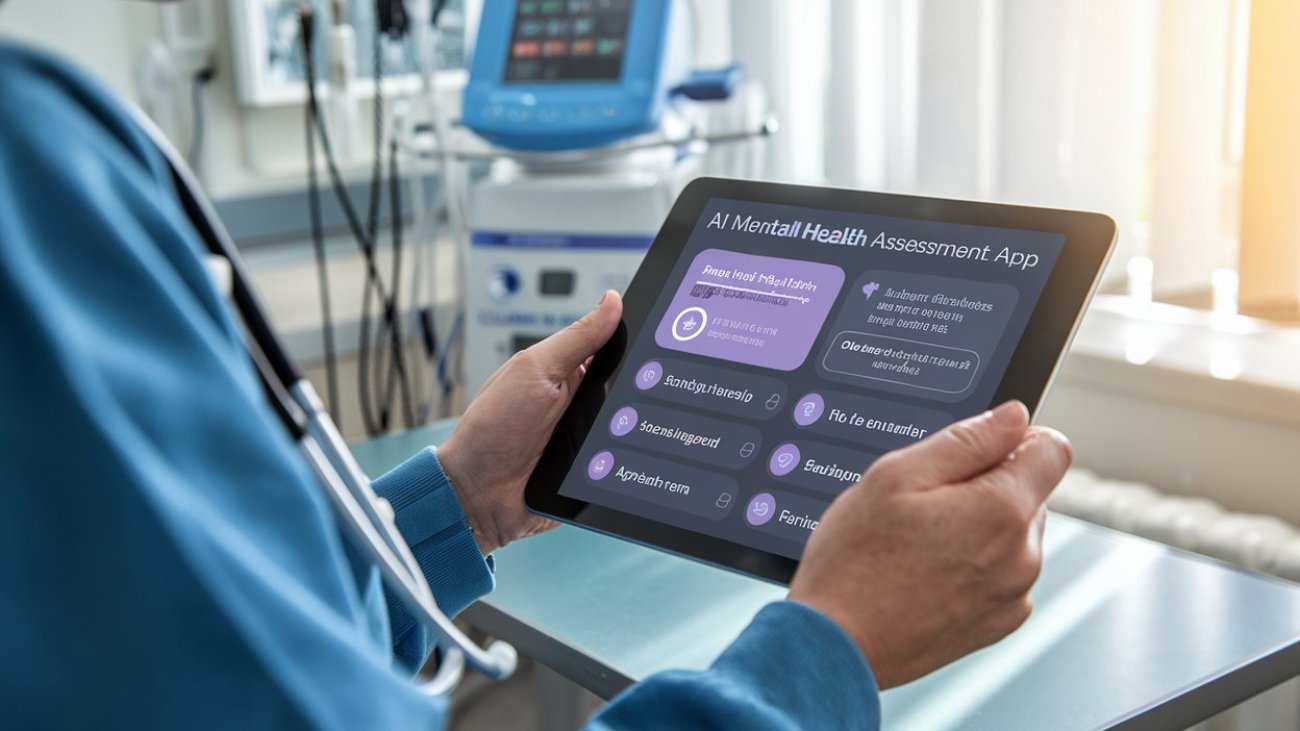
: AI-powered mental health assessment tools use machine learning algorithms to analyze behavioral data from seniors. This enables the creation of personalized cognitive health profiles that reflect an individual’s unique cognitive and mental health statu

AI can detect subtle signs of cognitive decline earlier than traditional assessment methods. By identifying patterns and deviations in mental health assessments, AI can highlight areas of concern and prompt early intervention.

Continuous mental health monitoring provides real-time insights into a senior’s cognitive health. AI-driven systems can analyze data over time to detect changes, allowing caregivers to adjust care strategies as needed.

How AI-Powered Mental Health Monitoring Works

AI-powered tools for mental health monitoring often involve wearable devices, mobile applications, or both. These tools collect data on a senior’s cognitive and mental health through daily assessments, behavioral patterns, and physiological indicators. Here’s a step-by-step breakdown of how these systems typically operate:

  1. Data Collection: The AI system collects daily data from seniors, which may include responses to mental health questions, activity levels, heart rate, and sleep patterns.
  2. Pattern Analysis: Using machine learning algorithms, the AI assesses the data to establish behavioral baselines for each individual. Any deviations from these baselines may signal early cognitive changes.
  3. Personalized Insights: The system generates insights and recommendations based on the data analysis, helping caregivers and healthcare providers create tailored intervention plans.
  4. Alerts for Caregivers: If the AI detects significant changes, such as increased anxiety or signs of memory issues, it sends alerts to caregivers or family members, enabling timely interventions.

Benefits of AI-Based Cognitive Health Monitoring

#BenefitDescription
1Early InterventionBy identifying potential cognitive decline early, AI enables caregivers and healthcare providers to implement preventive measures sooner, reducing the risk of rapid decline.
2Reduced Healthcare CostsContinuous monitoring can lower the need for extensive healthcare services by addressing issues early. This can be especially beneficial in home care settings, where regular assessments might be challenging.
3Enhanced Quality of LifeAI-based monitoring promotes mental well-being by providing seniors with ongoing support and personalized care. This can improve their confidence, independence, and overall quality of life.

Practical Tips for Preventing Cognitive Decline

Beyond AI-powered solutions, seniors and caregivers can adopt several strategies to protect cognitive health:

  1. Stay Physically Active: Regular exercise improves blood flow to the brain, supporting cognitive function.
  2. Eat a Balanced Diet: Foods rich in antioxidants, omega-3 fatty acids, and vitamins are essential for brain health.
  3. Engage in Mental Stimulation: Activities like reading, puzzles, and learning new skills help keep the mind active.
  4. Maintain Social Connections: Social engagement reduces stress and promotes cognitive health.
  5. Monitor Health Conditions: Regular check-ups and managing chronic conditions play a crucial role in preventing cognitive decline.

The Future of AI in Cognitive Health

The application of AI in cognitive health is still evolving. Future developments may include improved algorithms for predictive analytics, more advanced wearable devices for continuous monitoring, and integration with virtual reality to engage seniors in cognitive exercises. AI has the potential to redefine mental health care for seniors by making cognitive assessments more accessible and personalized.

Conclusion

AI-powered mental health monitoring represents a significant advancement in preserving cognitive health for seniors. By providing early detection, personalized care, and continuous support, AI enables proactive interventions that can prevent or delay cognitive decline. As technology advances, AI will continue to play an increasingly vital role in senior mental wellness, helping them enjoy a higher quality of life in their golden years.


1

The Role of AI in Elderly Mental Health Assessment

In recent years, artificial intelligence (AI) has brought significant advancements to the healthcare sector, particularly in the realm of mental health assessment for the elderly. As the senior population continues to grow, mental health issues like depression, anxiety, and cognitive decline are becoming increasingly common among older adults. Mentaligence is at the forefront of this shift, using AI-powered solutions to provide proactive, accessible, and personalized mental health assessments for the elderly. This article delves into how AI can enhance elderly mental health assessment, the benefits it brings, and the impact of tools like Mentaligence on the quality of life for seniors

Understanding Mental Health Needs in the Elderly

The elderly population faces unique mental health challenges, including loneliness, depression, anxiety, and age-related cognitive decline. Unfortunately, these issues are often underdiagnosed and untreated due to stigma, limited access to mental health services, or difficulty in recognizing the symptoms. As a result, many seniors go without the care they need, leading to a decline in quality of life.

How AI is Transforming Elderly Mental Health Assessment

AI offers transformative capabilities in mental health assessment, especially for seniors. Here’s how AI-driven mental health assessment works and the advantages it brings:

AI enables automated mental health assessments that can be conducted regularly, providing a more consistent understanding of an individual’s mental health status. Mentaligence’s AI-powered solution utilizes behavioral questions and user responses to generate mental wellness scores. This continuous assessment approach allows caregivers to monitor changes in mental health over time, identifying patterns that may indicate emerging issues.

One of the key advantages of AI-driven assessment is the ability to deliver personalized insights. Mentaligence’s solution uses machine learning algorithms to analyze each user’s responses, detecting early signs of depression, anxiety, or cognitive decline before they become severe. By catching these issues early, caregivers can intervene sooner, providing emotional support, therapeutic activities, or referring the individual to a mental health professional if needed

Mentaligence’s wearable device, Mentalink, is specifically designed for elderly users who may struggle with mobile devices. This necklace-like device enables seniors to respond to questions verbally, providing a more accessible and user-friendly interface. Mentalink’s seamless integration with the Mentaligence app also enhances the frequency and accuracy of assessments, ensuring that seniors receive consistent mental health monitoring

With AI, healthcare providers can use data to make informed decisions. The continuous data collection and analysis provide insights into trends within the elderly population, highlighting common mental health issues, treatment outcomes, and the impact of lifestyle changes. These insights enable providers to tailor their approaches based on real data, making mental health care more precise and effective.

One of the major barriers to mental health care is stigma, especially among older generations. AI-based tools allow seniors to engage with mental health assessments privately and comfortably, reducing the hesitation they might feel in seeking help. The automated, data-driven approach normalizes regular mental health assessments, making seniors more comfortable with mental health care and improving overall engagement.

Case Study: The Mentaligence Solution

The Mentaligence app, combined with the Mentalink wearable, represents a powerful example of how AI can transform mental health care for seniors. Through its AI-driven assessments, personalized insights, and user-friendly design, Mentaligence offers a comprehensive solution tailored to the unique needs of elderly users. By leveraging AI, Mentaligence enables real-time mental health monitoring, early detection, and effective intervention, improving quality of life for seniors.

Conclusion

AI has the potential to revolutionize mental health assessment for seniors, making it accessible, personalized, and proactive. Tools like Mentaligence provide valuable insights into mental health conditions, enabling caregivers and healthcare providers to offer timely support and care. As technology advances, AI-powered mental health assessment will continue to play a crucial role in helping seniors maintain their mental well-being, enhancing their quality of life and fostering a healthier, happier aging experience.

2-min (6)

The Role of AI in Personalized Mental Health Care

In recent years, artificial intelligence (AI) has brought transformative changes to the healthcare field, particularly in mental health. With AI-powered tools, mental health care has become increasingly personalized, accessible, and preventive. This article will explore how AI-driven technology, like the solutions provided by Mentaligence, is revolutionizing mental health care and providing personalized support that adapts to each individual’s unique needs.

The Shift Toward Personalized Mental Health Care

Traditional mental health care approaches often involve generalized treatment plans, such as therapy or medication, which may not cater to each person’s specific needs. Personalized mental health care addresses this gap, focusing on tailored solutions that consider an individual’s mental health history, lifestyle, and daily behavior. By leveraging data-driven insights, AI enables healthcare providers and users to access care designed around their specific mental health profiles.

How AI is Used in Personalized Mental Health Care

AI-driven platforms can assess and respond to subtle changes in mental health patterns, often before symptoms worsen. Here’s how AI contributes to personalized care:

AI applications analyze user data through behavioral questions, response patterns, and daily interactions. For example, Mentaligence’s app assesses mood, energy levels, and emotional states, providing users with a personalized wellness score that reflects their mental health status in real-time.

Based on user responses, AI algorithms offer targeted suggestions for improving mental well-being. These recommendations might include relaxation exercises, specific mental health resources, or prompts to engage in social interactions. By tailoring suggestions to individual needs, AI makes self-care more effective and manageable.

AI’s predictive capabilities are one of its most powerful features in mental health care. By monitoring trends in responses and behavior over time, AI can identify signs of stress, anxiety, or depression. Early alerts allow individuals or caregivers to intervene proactively, potentially preventing crises.

Advantages of AI-Driven Mental Health Tools

The benefits of using AI in mental health care extend beyond personalized recommendations. Here’s why AI-driven tools like Mentaligence are invaluable in today’s mental health landscape:

FeatureDescription
AccessibilityAI-based tools provide mental health support that’s available 24/7, removing barriers for those who may not have regular access to a therapist or counselor.
ConsistencyBy offering continuous monitoring, AI tools provide a reliable source of mental health support that adapts as users’ needs evolve.
Data PrivacyMental health apps, like those provided by Mentaligence, follow strict data privacy standards to protect sensitive information, ensuring user trust and confidentiality.

Wearable AI: Bringing Personalized Mental Health Care to a New Level

The use of wearable devices enhances personalized care by allowing for seamless, hands-free monitoring. Mentaligence’s wearable, Mentalink, enables individuals to interact with their mental health app simply by speaking into the device. This innovation is especially valuable for older adults or individuals with limited tech experience, as it offers a simple yet effective way to engage with their mental wellness.

Integrating AI with Professional Mental Health Support

AI-driven mental health apps are not designed to replace therapists but to complement professional care. For example, the insights and data gathered from daily monitoring can help therapists better understand a patient’s mental health journey, resulting in more informed treatment plans. Additionally, real-time data allows for more responsive adjustments to care.

The Future of AI in Mental Health Care

AI’s role in mental health care is evolving rapidly. With advances in machine learning, AI tools will soon be able to adapt even more dynamically, providing users with highly personalized and preventive mental health support. AI has the potential to make mental health care more inclusive, addressing specific needs that traditional methods may overlook.

Conclusion

AI in mental health care is a game-changer, especially in the realm of personalized care. With its ability to analyze, predict, and provide individualized recommendations, AI-powered tools like Mentaligence empower users to take control of their mental health. As AI technology continues to evolve, we can expect even more innovative solutions that will make mental health care more accessible, effective, and truly personalized.

1-min (4)

Mental Wellness Monitoring: How Technology Supports Early Detection and Care

Mental Wellness Monitoring: How Technology Supports Early Detection and Care

In recent years, advancements in technology have revolutionized mental health care. With the development of AI-powered applications and wearable devices, individuals now have unprecedented access to tools that enable them to monitor their mental wellness continuously. This article explores the importance of mental wellness monitoring, the role of technology in detecting mental health concerns early, and how tools like Mentaligence are paving the way for proactive care.

Why Monitor Mental Wellness?

Mental wellness monitoring is a proactive approach that allows individuals to stay attuned to their mental health. Unlike traditional methods, where individuals often seek help after severe symptoms emerge, wellness monitoring tools offer insights into one’s mental health status in real-time.

The Benefits of Continuous Monitoring

Early Detection:

Monitoring tools can identify patterns and subtle changes in mental health, signaling potential concerns before they escalate.

Personalized Care:

By analyzing individual behavior, AI tools can tailor suggestions and support based on specific needs.

Improved Mental Health Outcomes:

Timely intervention prevents severe mental health crises, leading to better overall well-being.

How AI-Powered Technology Enhances Mental Health Monitoring

With the rise of AI, mental health assessments have become more accessible and insightful. Platforms like Mentaligence offer a range of benefits that transform how mental wellness is understood and managed.

1. Data-Driven Insights

AI tools use algorithms to detect changes in behavior, responses, and emotional trends. For instance, Mentaligence’s AI-powered app employs questions that evaluate emotional states, energy levels, and mood, providing a daily score as a mental wellness indicator.

2. Customizable Alerts and Reminders

The app can send alerts if a user’s wellness score shows signs of decline. These reminders help users or caregivers take action, like scheduling a therapy session, practicing relaxation techniques, or reaching out to support networks.

3. Remote Care for Caregivers and Families

Mental wellness tools are invaluable for caregivers, allowing them to monitor their loved ones’ mental states. Especially in cases of long-term care, where regular check-ins can be challenging, AI tools bridge the gap, providing caregivers with real-time updates.

Wearable Technology: The Convenience of Mentalink

Wearable devices like Mentalink make mental wellness monitoring accessible even to those who may not use mobile apps regularly. This necklace-style device conducts verbal check-ins, recording responses for AI analysis. Such devices simplify mental health monitoring for elderly individuals, ensuring they receive the support they need without complex interactions.

Privacy and Security in Mental Wellness Monitoring

An essential aspect of mental wellness tools is ensuring that user data is secure. Platforms like Mentaligence use encryption and privacy protocols to protect sensitive information. As AI-driven mental health tools grow, maintaining high standards for data security will continue to be a top priority.

Conclusion

Mental wellness monitoring is no longer limited to occasional therapy sessions. Through advanced AI applications and wearable technology, individuals can now access continuous mental health support. Tools like Mentaligence empower users and caregivers to take proactive steps, leading to a more supportive and preventive approach to mental health.

Blog 5 resize

The Impact of AI on Mental Health Assessments for Seniors

Artificial Intelligence (AI) has emerged as a transformative force in the rapidly evolving healthcare landscape. While much of the focus has been on its applications in disease diagnosis and treatment management, AI’s potential in mental health assessment, particularly for the elderly, is an area of ​​interest. As the world’s population ages, mental health concerns among the elderly are increasing. Depression, anxiety, and cognitive decline are common issues that can significantly affect the quality of life in older adults. This article explores how artificial intelligence is revolutionizing how mental health is assessed and managed in the elderly, offering new opportunities for early detection, personalized care, and improved outcomes.

The Growing Mental Health Crisis Among Seniors

Mental health issues in older adults are often underdiagnosed and under-treated. Factors such as social isolation, chronic illness, and stigma associated with mental health can contribute to the worsening of these conditions. Traditional methods of assessment, which rely heavily on patient self-report and clinical observation, may not always reveal the full extent of the problem, particularly in older adults who may under-report symptoms because of fear or denial.

AI-Powered Mental Health Assessments

Artificial intelligence has the potential to address these challenges by providing more objective and data-driven insights into the mental health of older adults. Here are some ways to integrate AI into mental health assessment:

Predictive analytics: AI algorithms can analyze large data sets from electronic health records, social media and other sources to identify patterns and risk factors associated with mental health issues. This allows healthcare providers to predict which seniors are most at risk and intervene earlier.

Natural Language Processing (NLP): NLP technology can analyze the language used by seniors during conversations with health care providers or in written communications and detect subtle signs of depression, anxiety, or cognitive decline. This analysis can provide a more accurate understanding of the mental state of the elderly.

Digital Biomarkers: AI can monitor digital biomarkers – data collected from wearables, smartphones, and other technologies. These biomarkers can include sleep patterns, physical activity levels, and even measures of social interaction, which are vital indicators of mental health.

Virtual reality (VR) and artificial intelligence: Artificial intelligence-based virtual reality tools are being developed to create immersive environments that can help assess cognitive function and emotional responses in the elderly. These tools offer a more engaging and less intimidating way to evaluate mental health.

Benefits of AI in Mental Health Assessments for Seniors

Integrating AI into mental health assessment has several key benefits:

Early detection: AI’s ability to quickly analyze large amounts of data enables early detection of mental health issues, often before they become severe. This early intervention can prevent conditions such as depression and dementia from worsening.

Personalized care: AI can tailor mental health interventions to the individual needs of each senior. By analyzing specific risk factors and symptoms, AI can recommend personalized treatment plans that are likely to be more effective.

Enhanced accuracy: AI reduces reliance on self-reporting, which can be influenced by seniors’ willingness to share their experiences. Instead, AI uses objective data that leads to more accurate assessments.

Accessibility: AI-based tools can be used remotely, making mental health care more accessible to seniors who may have trouble traveling to appointments. This is especially important in rural or disadvantaged areas.

Challenges and Ethical Considerations

While artificial intelligence offers significant promise in the field of mental health care for the elderly, it also poses challenges:

Privacy concerns: The use of artificial intelligence in mental health assessment involves the collection and analysis of sensitive personal data. Ensuring the privacy and security of this data is very important.

Bias in AI algorithms: AI systems are only as good as the data they are trained on. If the training data is biased or incomplete, AI assessments may be incomplete, potentially leading to misdiagnosis or inappropriate treatment recommendations.

Adoption by the elderly: Adoption of AI technology by the elderly may be hindered by a lack of familiarity with or lack of trust in the technology. Training and support are essential to help seniors use these tools.

The Future of AI in Senior Mental Health Care

As AI continues to advance, its role in mental health care for seniors is likely to expand. Future developments may include:

  1. AI-Driven Therapies: AI could eventually be used to deliver personalized therapeutic interventions, such as cognitive-behavioral therapy (CBT), through virtual platforms, providing accessible mental health support.
  2. Integration with Telemedicine: AI can complement telemedicine by providing real-time mental health assessments during virtual consultations, enhancing the quality of remote care.
  3. Collaborative AI: AI systems may increasingly work alongside human clinicians, providing them with additional insights and recommendations, while the final judgment and empathy remain in the hands of healthcare providers

AI has the potential to revolutionize mental health assessments for seniors, offering more accurate, personalized, and accessible care. However, to fully realize these benefits, it is crucial to address the challenges and ethical considerations associated with AI. As the technology continues to evolve, it holds the promise of significantly improving the mental health and overall well-being of older adults, helping them lead healthier, more fulfilling lives.

Blog 4

Aging Well

The Keys to Healthy Aging

Aging is an inevitable part of life, but how we age is largely up to us. While we can’t control everything about getting older, there are many aspects of our health and well-being that we can influence. The concept of “aging well” or “healthy aging” has gained significant attention in recent years, as people strive to maintain their quality of life well into their golden years. In this blog post, we’ll explore the keys to healthy aging and how you can incorporate them into your life.

Understanding Healthy Aging

Healthy aging isn’t just about living longer; it’s about living better. It involves maintaining physical and mental health, staying engaged with life, and continuing to find purpose and meaning as we grow older. The goal is to extend the period of life in which we’re healthy, active, and independent.

The Keys to Healthy Aging

1. Stay Physically Active

Regular physical activity is one of the most important keys to healthy aging. Exercise offers numerous benefits:

– Maintains muscle mass and bone density

– Improves balance and reduces the risk of falls

– Boosts cardiovascular health

– Enhances mood and mental well-being

– Helps manage chronic conditions like diabetes and arthritis

Aim for at least 150 minutes of moderate-intensity aerobic activity or 75 minutes of vigorous-intensity aerobic activity per week, along with muscle-strengthening activities at least twice a week. Remember, it’s never too late to start exercising, and any amount of physical activity is better than none.

2. Eat a Nutritious Diet

A balanced, nutrient-rich diet is crucial for healthy aging. Focus on:

– Fruits and vegetables: Aim for a variety of colors to get a wide range of nutrients

– Whole grains: Choose whole grain bread, pasta, and cereals

– Lean proteins: Include fish, poultry, beans, and nuts

– Healthy fats: Opt for sources like olive oil, avocados, and fatty fish

– Adequate hydration: Drink plenty of water throughout the day

Limit processed foods, sugary snacks, and excessive salt intake. Consider consulting a dietitian to create a meal plan tailored to your specific nutritional needs.

3. Prioritize Mental Health

Mental health is just as important as physical health when it comes to aging well. Here are some strategies to maintain good mental health:

– Stay socially connected: Maintain relationships with family and friends

– Engage in mentally stimulating activities: Read, do puzzles, learn new skills

– Practice stress-management techniques: Try meditation, deep breathing, or yoga

– Seek professional help if needed: Don’t hesitate to consult a mental health professional if you’re struggling with anxiety, depression, or other mental health issues

4. Get Adequate Sleep

Quality sleep becomes increasingly important as we age. Poor sleep can contribute to cognitive decline, mood disorders, and various health problems. Aim for 7-9 hours of sleep per night and establish a regular sleep routine. If you’re having trouble sleeping, consult your healthcare provider.

5. Manage Chronic Conditions

Many older adults live with one or more chronic conditions. Proper management of these conditions is key to healthy aging:

– Follow your treatment plan: Take medications as prescribed and attend regular check-ups

– Monitor your condition: Keep track of important health metrics like blood pressure or blood sugar

– Make necessary lifestyle changes: Follow diet and exercise recommendations specific to your condition

– Stay informed: Learn about your condition and treatment options

6. Stay Socially Engaged

Social engagement is a crucial aspect of healthy aging. It can help prevent cognitive decline, reduce the risk of depression, and even boost physical health. Ways to stay socially engaged include:

– Volunteering

– Joining clubs or groups based on your interests

– Participating in community activities

– Staying in touch with family and friends

– Consider adopting a pet for companionship

7. Continue Learning

Lifelong learning is not just good for your brain; it can also provide a sense of purpose and achievement. Consider:

– Taking classes at a local community college

– Learning a new language

– Picking up a new hobby

– Attending lectures or workshops on topics that interest you

8. Practice Preventive Care

Regular health screenings and preventive care can catch potential health issues early when they’re most treatable. This includes:

– Annual physical exams

– Regular dental check-ups

– Vision and hearing tests

– Cancer screenings as recommended by your doctor

– Vaccinations, including annual flu shots

9. Maintain a Positive Attitude

Your outlook on life can significantly impact how you age. Studies have shown that people with a positive attitude towards aging tend to live longer and healthier lives. Try to:

– Focus on the positive aspects of aging, like wisdom and life experience

– Practice gratitude

– Set goals and look forward to the future

– Surround yourself with positive people

10. Avoid Harmful Habits

Certain habits can accelerate aging and increase the risk of various health problems. To age well, it’s important to:

– Quit smoking if you haven’t already

– Limit alcohol consumption

– Avoid excessive sun exposure and use sunscreen regularly

– Maintain good posture to prevent back problems and improve balance

11. Adapt Your Environment

As you age, you may need to make some changes to your living environment to ensure safety and comfort:

– Install grab bars in the bathroom

– Ensure good lighting throughout your home

– Remove tripping hazards like loose rugs

– Consider a medical alert system if you live alone

12. Plan for the Future

Part of aging well involves planning for the future. This can include:

– Making decisions about long-term care preferences

– Creating advance directives for healthcare

– Managing finances and estate planning

– Discussing your wishes with family members

Embracing Healthy Aging

Aging well is about making conscious choices every day to support your physical, mental, and emotional health. It’s never too early or too late to start incorporating these keys to healthy aging into your life. Remember, everyone ages differently, and what works for one person may not work for another. The key is to find a balance that works for you and to be proactive about your health and well-being.

Aging is a natural part of life, and by embracing healthy aging practices, you can make the most of your later years. Stay active, eat well, engage your mind, connect with others, and maintain a positive outlook. These are the true keys to aging well.

Healthy aging isn’t about trying to look or feel like you did in your 20s or 30s. It’s about living your best life and feeling your best at every age. By adopting these healthy habits and attitudes, you can look forward to a fulfilling and vibrant life in your golden years.

Blog 3

Depression in Older Adults

 Signs, Symptoms, and Treatment

Depression is not a normal part of aging, yet it affects millions of older adults worldwide. Often overlooked or misdiagnosed, depression in the elderly can have serious consequences on health, quality of life, and overall well-being. In this blog post, we’ll explore the signs and symptoms of depression in older adults, as well as effective treatment options.

Understanding Depression in Older Adults

Depression in older adults is a serious mental health condition that goes beyond occasional feelings of sadness. It’s a persistent problem that can significantly impact daily life, health, and relationships. Unfortunately, it’s often underdiagnosed and undertreated in the elderly population.

Several factors contribute to this:

1. Older adults may be less likely to report feelings of sadness or grief

2. Physical health problems can overshadow depression symptoms

3. There’s a common misconception that depression is a normal part of aging

It’s crucial to recognize that depression is not an inevitable part of getting older. It’s a treatable medical condition that requires attention and care.

Signs and Symptoms of Depression in Older Adults

Depression in older adults may manifest differently than in younger populations. Here are some key signs and symptoms to watch for:

1. Persistent sad, anxious, or “empty” mood

2. Loss of interest or pleasure in hobbies and activities

3. Feelings of hopelessness, pessimism

4. Feelings of guilt, worthlessness, helplessness

5. Decreased energy, fatigue, being “slowed down”

6. Difficulty concentrating, remembering, making decisions

7. Difficulty sleeping, early-morning awakening, or oversleeping

8. Appetite and/or weight changes

9. Thoughts of death or suicide; suicide attempts

10. Restlessness, irritability

11. Persistent physical symptoms that do not respond to treatment

It’s important to note that in older adults, depression often occurs with other medical illnesses and disabilities and may last longer.

Unique Aspects of Depression in Older Adults

Several factors make depression in older adults unique:

1. **Physical Health Problems**: Chronic pain, cardiovascular disease, and other health issues can both contribute to and mask depression.

2. **Medication Side Effects**: Some medications commonly prescribed to older adults can have depressive side effects.

3. **Cognitive Changes**: Depression can sometimes be mistaken for dementia, or vice versa. They can also co-occur.

4. **Life Changes**: Retirement, loss of loved ones, and decreased independence can trigger depression in older adults.

5. **Isolation**: Older adults may be more prone to social isolation, which can exacerbate depression.

Risk Factors for Depression in Older Adults

Certain factors can increase the risk of depression in older adults:

1. Chronic medical conditions

2. Disability or loss of independence

3. Significant life changes (retirement, loss of a spouse)

4. History of depression or other mental health conditions

5. Certain medications

6. Alcohol or substance abuse

7. Family history of depression

8. Social isolation and loneliness

Diagnosing Depression in Older Adults

Diagnosing depression in older adults can be challenging due to the overlap with other conditions and the tendency for older adults to focus on physical rather than emotional symptoms. A comprehensive evaluation should include:

1. A thorough medical history

2. A physical examination

3. Interviews with family members (with the patient’s consent)

4. A review of medications

5. Cognitive screening tests

6. A psychiatric evaluation

Treatment Options for Depression in Older Adults

Depression is treatable at any age. The most common treatments for depression in older adults include:

1. **Psychotherapy**: Talk therapy, particularly cognitive-behavioral therapy (CBT) and interpersonal therapy, can be very effective.

2. **Medications**: Antidepressants can be effective, but care must be taken to monitor for side effects and drug interactions.

3. **Combination Approach**: Often, a combination of psychotherapy and medication yields the best results.

4. **Electroconvulsive Therapy (ECT)**: For severe depression that doesn’t respond to other treatments, ECT can be effective and safe for older adults.

5. **Lifestyle Changes**: Regular exercise, a healthy diet, adequate sleep, and social engagement can all help alleviate depression symptoms.

6. **Support Groups**: Joining a support group can provide valuable social connection and coping strategies.

Challenges in Treating Depression in Older Adults

Several factors can complicate the treatment of depression in older adults:

1. **Stigma**: Some older adults may be reluctant to seek help due to the stigma surrounding mental health issues.

2. **Medication Interactions**: Older adults often take multiple medications, increasing the risk of interactions with antidepressants.

3. **Physical Health Complications**: Chronic health conditions can complicate depression treatment.

4. **Cognitive Impairment**: Memory problems can make it challenging to follow treatment plans or attend therapy sessions.

The Role of Caregivers and Family Members

Caregivers and family members play a crucial role in identifying and supporting treatment for depression in older adults:

1. **Be Observant**: Watch for signs and symptoms of depression.

2. **Encourage Treatment**: Help your loved one seek professional help if you suspect depression.

3. **Provide Support**: Offer emotional support and help with practical tasks like transportation to appointments.

4. **Promote Healthy Habits**: Encourage regular exercise, healthy eating, and social engagement.

5. **Monitor Medications**: Help ensure that medications are taken as prescribed.

6. **Stay Informed**: Learn about depression in older adults to better understand and support your loved one.

Prevention Strategies

While not all cases of depression can be prevented, certain strategies may help reduce the risk:

1. **Stay Connected**: Maintain social connections and engage in community activities.

2. **Stay Active**: Regular physical exercise can help prevent depression.

3. **Eat Well**: A balanced diet rich in fruits, vegetables, and omega-3 fatty acids may help protect against depression.

4. **Manage Stress**: Practice stress-reduction techniques like mindfulness or yoga.

5. **Get Enough Sleep**: Maintain good sleep hygiene and address any sleep problems.

6. **Stay Mentally Active**: Engage in mentally stimulating activities like reading, puzzles, or learning new skills.

7. **Address Health Issues**: Properly manage chronic health conditions and attend regular check-ups.

The Importance of Seeking Help

If you or an older adult you know is showing signs of depression, it’s crucial to seek help. Depression is not a normal part of aging, and it can have serious consequences if left untreated. With proper diagnosis and treatment, older adults with depression can improve their quality of life and regain a sense of joy and purpose.

Remember, there’s no shame in seeking help for mental health issues. Depression is a medical condition, just like diabetes or heart disease, and it requires professional care.

It’s never too late to seek help and improve mental health. Every individual, regardless of age, deserves to live a life filled with joy, purpose, and emotional well-being.

Blog 2

Does Parkinson’s Affect Memory?

Parkinson’s disease is widely known for its effects on movement, causing symptoms like tremors, stiffness, and difficulty with balance and coordination. However, many people are unaware that Parkinson’s can also have a significant impact on cognitive functions, including memory. In this blog post, we’ll explore the relationship between Parkinson’s disease and memory, shedding light on this important aspect of the condition.

Understanding Parkinson’s Disease

Before delving into the effects of Parkinson’s on memory, it’s crucial to understand what Parkinson’s disease is. Parkinson’s is a progressive neurodegenerative disorder that primarily affects movement. It occurs when there’s a loss of dopamine-producing brain cells in a specific area of the brain called the substantia nigra. Dopamine is a neurotransmitter that plays a vital role in regulating movement and emotional responses.

While the motor symptoms of Parkinson’s are the most visible, the disease can affect many aspects of a person’s life, including cognitive functions.

The Link Between Parkinson’s and Memory

To answer the question “Does Parkinson’s affect memory?” – yes, it can. However, the relationship between Parkinson’s and memory is complex and can vary significantly from person to person.

Memory problems are not always present in people with Parkinson’s, especially in the early stages of the disease. When they do occur, they are typically mild and may not interfere significantly with daily life. However, as the disease progresses, cognitive issues, including memory problems, can become more pronounced.

Types of Memory Affected by Parkinson’s

Parkinson’s disease can affect different types of memory:

1. Working Memory: This is the ability to hold and manipulate information in your mind for short periods. People with Parkinson’s may have difficulty keeping track of complex instructions or performing tasks that require multi-step planning.

2. Episodic Memory: This refers to the ability to recall specific events or experiences. Some individuals with Parkinson’s may have trouble remembering recent events or conversations.

3. Procedural Memory: This involves remembering how to perform certain tasks or skills. While often preserved in Parkinson’s, some complex procedural memories may be affected.

4. Prospective Memory: This is the ability to remember to do something in the future, like taking medication or attending appointments. This can be challenging for some people with Parkinson’s.

Factors Contributing to Memory Issues in Parkinson’s

Several factors can contribute to memory problems in people with Parkinson’s:

1. Dopamine Deficiency: The loss of dopamine-producing cells doesn’t just affect movement; it can also impact cognitive functions, including memory.

2. Changes in Other Neurotransmitters: Parkinson’s can affect other brain chemicals like acetylcholine, which plays a crucial role in memory and learning.

3. Medication Side Effects: Some medications used to treat Parkinson’s can affect cognitive function, including memory.

4. Depression and Anxiety: These common non-motor symptoms of Parkinson’s can impact cognitive performance and memory.

5. Sleep Disorders: Many people with Parkinson’s experience sleep problems, which can affect memory and cognitive function.

6. Fatigue: The physical and mental fatigue associated with Parkinson’s can impact cognitive performance, including memory.

Cognitive Changes vs. Dementia in Parkinson’s

It’s important to distinguish between mild cognitive changes and dementia in Parkinson’s disease:

– Mild Cognitive Impairment (MCI): Many people with Parkinson’s experience mild cognitive changes, which can include subtle memory problems. These changes don’t significantly interfere with daily life and don’t meet the criteria for dementia.

– Parkinson’s Disease Dementia (PDD): A smaller percentage of people with Parkinson’s develop dementia, typically in the later stages of the disease. PDD involves more severe cognitive decline that impacts daily functioning.

Managing Memory Issues in Parkinson’s

While there’s no cure for Parkinson’s disease, there are strategies to manage memory issues:

1. Medication Management: Work closely with your healthcare provider to optimize your Parkinson’s medication regimen. Sometimes, adjusting medications can help improve cognitive symptoms.

2. Cognitive Training: Engaging in activities that challenge your brain, like puzzles, reading, or learning new skills, may help maintain cognitive function.

3. Exercise: Regular physical exercise has been shown to have beneficial effects on both motor and non-motor symptoms of Parkinson’s, including cognitive function.

4. Sleep Hygiene: Improving sleep quality can help with memory and overall cognitive function.

5. Stress Management: Techniques like mindfulness meditation can help manage stress, which can exacerbate cognitive symptoms.

6. Use of Memory Aids: Tools like calendars, to-do lists, and smartphone reminders can help compensate for memory difficulties.

7. Social Engagement: Staying socially active can help maintain cognitive function and emotional well-being.

When to Seek Help

If you or a loved one with Parkinson’s are experiencing memory problems that interfere with daily life, it’s important to consult with your healthcare provider. They may recommend:

– Cognitive assessments to determine the extent of any memory issues

– Referral to a neuropsychologist for more detailed cognitive testing

– Adjustment of medications

– Strategies to manage cognitive symptoms

Research and Future Directions

Research into the cognitive aspects of Parkinson’s disease, including its effects on memory, is ongoing. Scientists are working to better understand the mechanisms behind cognitive changes in Parkinson’s and to develop new treatments. Some areas of research include:

– Neuroprotective therapies that might slow the progression of cognitive decline

– New medications that target both motor and non-motor symptoms of Parkinson’s

– Non-pharmacological interventions to maintain cognitive function

Understanding that memory can be affected by Parkinson’s is the first step in addressing these issues. With proper management, including medication, lifestyle adjustments, and cognitive strategies, many people with Parkinson’s can maintain their quality of life and cognitive function.

If you or a loved one are living with Parkinson’s disease, don’t hesitate to discuss any cognitive concerns with your healthcare provider. Remember, you’re not alone in this journey, and support is available to help you navigate the cognitive challenges that may come with Parkinson’s disease.

Blog 1

Mental Health in Older Adults: A Growing Concern

In our rapidly aging society, the mental well-being of older adults is becoming an increasingly critical concern. A striking statistic sheds light on a crisis that often goes unnoticed: approximately 14% of adults aged 60 and over live with a mental disorder. This figure reveals a troubling reality that demands our attention and action.

The Prevalence of Mental Health Issues in Older Adults

The fact that about 14% of adults aged 60 and over live with a mental disorder is not just a statistic; it represents millions of individuals who may be suffering in silence. Mental health challenges affect a significant portion of the older population, impacting their quality of life, relationships, and overall well-being.

Common mental health issues affecting older adults include:

1. Depression: Often underdiagnosed and undertreated in older adults, depression can significantly impact daily functioning and overall health.

2. Anxiety disorders: Including generalized anxiety disorder and specific phobias, which can be debilitating if left untreated.

3. Cognitive decline and dementia: Including Alzheimer’s disease and other forms of dementia, which affect memory, thinking, and behavior.

4. Substance abuse: Particularly issues with alcohol and prescription medications, which can be overlooked or misunderstood in older populations.

5. Late-life schizophrenia: While less common, it can be particularly challenging to manage and often requires specialized care.

These mental health challenges can be exacerbated by factors such as chronic illness, loss of independence, social isolation, and the deaths of friends and loved ones.

Factors Contributing to Mental Health Issues in Older Adults

Several factors contribute to the prevalence of mental health problems among older adults:

1. Physical health problems: Chronic illnesses and physical disabilities can increase the risk of developing mental health issues.

2. Medication side effects: Many older adults take multiple medications, which can sometimes have mental health-related side effects.

3. Social isolation: Reduced social connections due to retirement, loss of loved ones, or mobility issues can lead to loneliness and depression.

4. Major life changes: Retirement, moving to a new home or care facility, or losing a spouse can trigger mental health challenges.

5. Grief and loss: The accumulation of losses that come with aging can significantly impact mental health.

6. Financial stress: Limited income or financial worries in retirement can contribute to anxiety and depression.

Barriers to Addressing Mental Health in Older Adults

Several factors contribute to the persistence of mental health issues among older adults:

1. Lack of awareness: Many people, including healthcare professionals, may not recognize the signs of mental health issues in older adults.

2. Misattribution of symptoms: Mental health symptoms may be mistaken for normal signs of aging or physical health problems.

3. Limited access to mental health services: Older adults may face barriers in accessing specialized mental health care.

4. Ageism: Societal attitudes that devalue older adults can contribute to neglect of mental health concerns in this population.

Steps Toward Solutions

Addressing the crisis of mental health in older adults requires a multifaceted approach:

1. Increased awareness and education: Public campaigns and professional training can help people recognize the signs of mental health issues in older adults.

2. Improved screening and assessment: Regular mental health screenings should be incorporated into healthcare visits for older adults.

3. Enhanced support services: Expanding access to mental health services, support groups, and community programs can help address mental health concerns.

4. Integration of mental and physical healthcare: Treating mental and physical health together can lead to better outcomes for older adults.

5. Technology solutions: Innovations like AI-powered mental health assessment tools can provide accessible means of detecting and addressing mental health issues early.

6. Community engagement: Encouraging social connections and community involvement can help combat isolation and provide additional layers of support for older adults.

7. Caregiver support: Providing resources, training, and support for both family and professional caregivers can help them better support the mental health of older adults.

The Role of Healthcare Providers

Healthcare providers play a crucial role in addressing mental health issues in older adults. They are often in a unique position to identify signs of mental health problems during routine care. Training healthcare professionals to recognize these signs and providing them with the resources to intervene effectively is essential.

Moreover, integrating mental health care into primary care settings can help normalize mental health treatment and make it more accessible to older adults. This integration can also facilitate a more holistic approach to care that considers both physical and mental well-being.

Promoting Mental Wellness in Older Adults

While addressing mental health disorders is crucial, it’s equally important to promote overall mental wellness in older adults. This can include:

1. Encouraging physical activity: Regular exercise has been shown to have significant benefits for mental health.

2. Promoting social engagement: Facilitating opportunities for social interaction can combat loneliness and depression.

3. Supporting lifelong learning: Engaging in new activities or learning new skills can boost cognitive function and self-esteem.

4. Mindfulness and relaxation techniques: Teaching stress-management techniques can help older adults cope with anxiety and depression.

5. Nutrition support: A healthy diet can contribute to both physical and mental well-being.

As our population continues to age, the urgency of this issue will only increase. It’s incumbent upon all of us – healthcare providers, policymakers, community leaders, and individuals – to play a role in creating a more supportive environment for older adults’ mental health. By doing so, we not only improve the lives of millions of older adults today but also pave the way for a more compassionate and mentally healthy society for generations to come.