
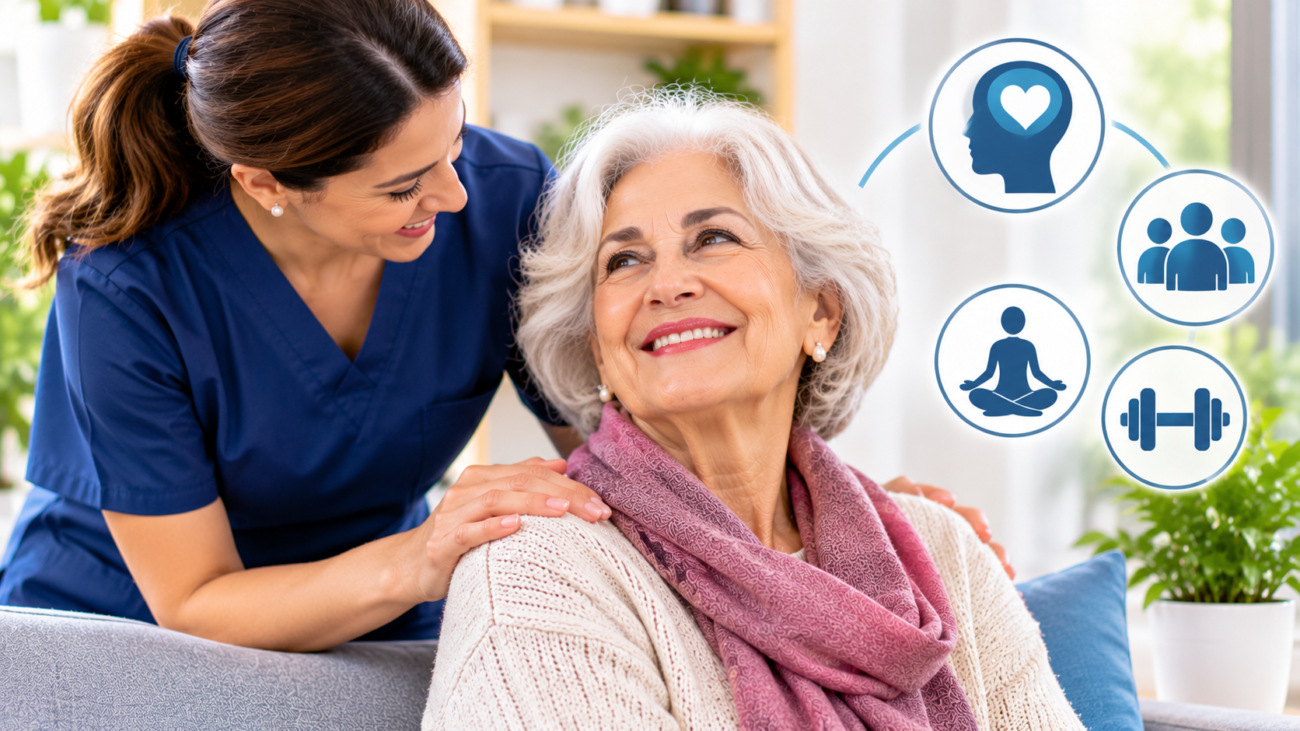
Personalized care has become an important approach in supporting older adults. Rather than applying the same services and routines to everyone, personalized care recognizes that each individual has unique needs, preferences, abilities, and life experiences.
Traditional care plans often emphasize physical health, medication management, mobility, nutrition, and assistance with daily activities.
While these areas are essential, emotional and mental wellness are also important components of overall well-being.
Including mental wellness considerations in personalized senior care plans can help families and care providers develop a more complete understanding of the people they support.
What Is a Personalized Senior Care Plan?
A personalized senior care plan is an organized approach to identifying an individual’s needs and determining appropriate support.
Depending on the care setting, it may include information about medical conditions, physical abilities, daily routines, nutritional requirements, social preferences, and personal goals.
These plans are commonly developed with input from healthcare professionals, caregivers, family members, and the older adult whenever possible.
A person-centered plan should also be reviewed as circumstances change.
The purpose is not simply to manage tasks, but to support comfort, dignity, independence, and quality of life.
Why Emotional Well-Being Deserves Attention
Mental wellness can influence many aspects of everyday living.
Changes in mood, motivation, confidence, or social engagement may affect how someone participates in activities, communicates with others, or responds to changes in their environment.
For example, an older adult who feels socially disconnected may become less interested in community programs.
Someone experiencing persistent worry may find unfamiliar routines or environments more challenging.
Recognizing these emotional experiences can help care teams better understand individual preferences and concerns.
Mental wellness information should be considered alongside other relevant observations rather than used to make assumptions about someone’s health.
Understanding the Individual Behind the Care Plan
Effective personalized care begins with understanding the person.
Two individuals with similar physical needs may have very different emotional preferences and social expectations.
One resident may enjoy frequent group activities, while another may feel more comfortable with quiet hobbies and individual conversations.
Similarly, some older adults value highly structured routines, while others prefer flexibility.
Care plans can reflect these differences by considering personal history, cultural background, interests, communication preferences, and meaningful relationships.
Listening to the older adult is especially important.
Their own description of well-being may provide information that cannot be captured through observation alone.
Including Emotional Wellness in Daily Care
Mental wellness does not need to become a complicated additional responsibility.
It can be incorporated into existing care routines through thoughtful communication and regular observation.
For example, caregivers may ask about a person’s mood, interests, recent experiences, or concerns during routine interactions.
Care plans may also identify preferred social activities, meaningful hobbies, and communication approaches that help the individual feel comfortable.
When appropriate, organizations can establish procedures for documenting significant changes and discussing concerns with qualified professionals.
The goal is to make emotional wellness part of ongoing person-centered care.
Recognizing Changes Over Time
An individual’s emotional state can vary from day to day.
A difficult morning or temporary lack of enthusiasm does not necessarily indicate a lasting concern.
However, repeated changes in mood, participation, sleep, or communication may deserve attention.
Looking at observations over time can help caregivers distinguish isolated experiences from developing patterns.
This is particularly useful when multiple caregivers support the same individual.
Consistent communication and appropriate documentation may help care teams maintain continuity.
Any concerns that suggest a possible health condition should be evaluated by qualified healthcare professionals.
The Role of Families and Caregivers
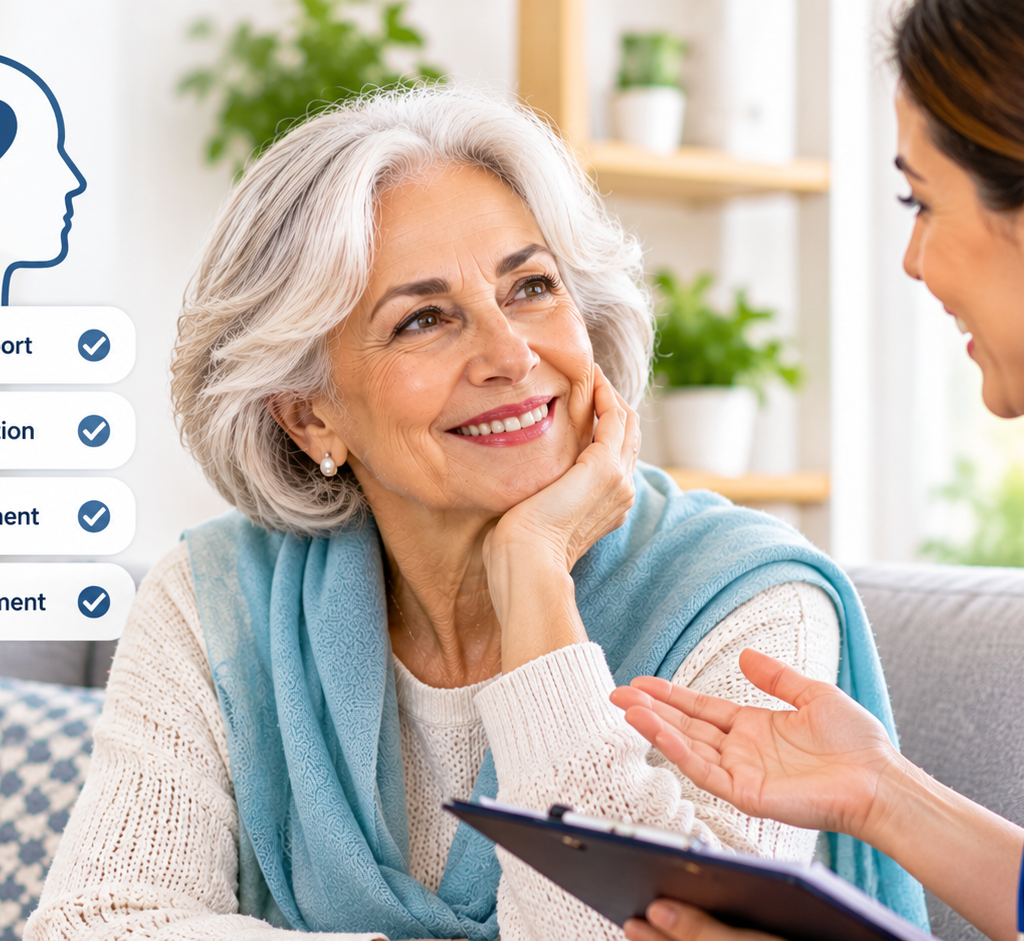
Family members often understand personal habits and emotional preferences that may not be immediately obvious to professional caregivers.
They may know which activities bring comfort, which situations create stress, or how an individual typically responds to changes.
Including families in appropriate care discussions can help strengthen personalized planning.
However, the older adult’s wishes, consent, and privacy should remain central to the process.
Professional caregivers also contribute important observations through regular interactions.
When families and care teams communicate effectively, they can develop a more comprehensive understanding of individual needs.
How Technology Can Support Personalized Care
Digital tools may help care organizations introduce structured approaches to wellness monitoring.
For example, regular digital check-ins can provide opportunities for individuals to report aspects of their emotional well-being.
When information is collected consistently, it may help highlight changes that deserve further conversation.
Technology may also support documentation and communication within established care workflows.
However, any digital solution should be assessed for accessibility, privacy protection, data security, and suitability for its intended use.
Technology should support professional care decisions rather than independently determine them.
Exploring Mental Wellness Monitoring with Mentaligence
Mentaligence is developing an AI-assisted platform focused on digital mental wellness assessments and awareness of changes over time.
Its approach emphasizes regular check-ins and the potential value of recognizing patterns in reported well-being.
For senior living communities and home care providers, pilot programs may offer opportunities to evaluate how digital wellness monitoring could complement existing care processes.
Such evaluations can help organizations understand practical considerations, including usability, staff workflows, and resident participation.
Moving Toward More Complete Senior Care
Personalized senior care should recognize the whole person.
Physical health, emotional experiences, social relationships, independence, and personal preferences are interconnected aspects of everyday well-being.
By considering mental wellness alongside traditional care needs, organizations can develop approaches that are more responsive to individual experiences.
Regular communication, thoughtful observation, and appropriate technology can all contribute to this process.
Mentaligence is interested in collaborating with senior living communities, home care providers, and healthcare organizations to explore digital mental wellness monitoring through pilot programs.
Contact our team to discuss how Mentaligence could complement your organization’s wellness initiatives.