
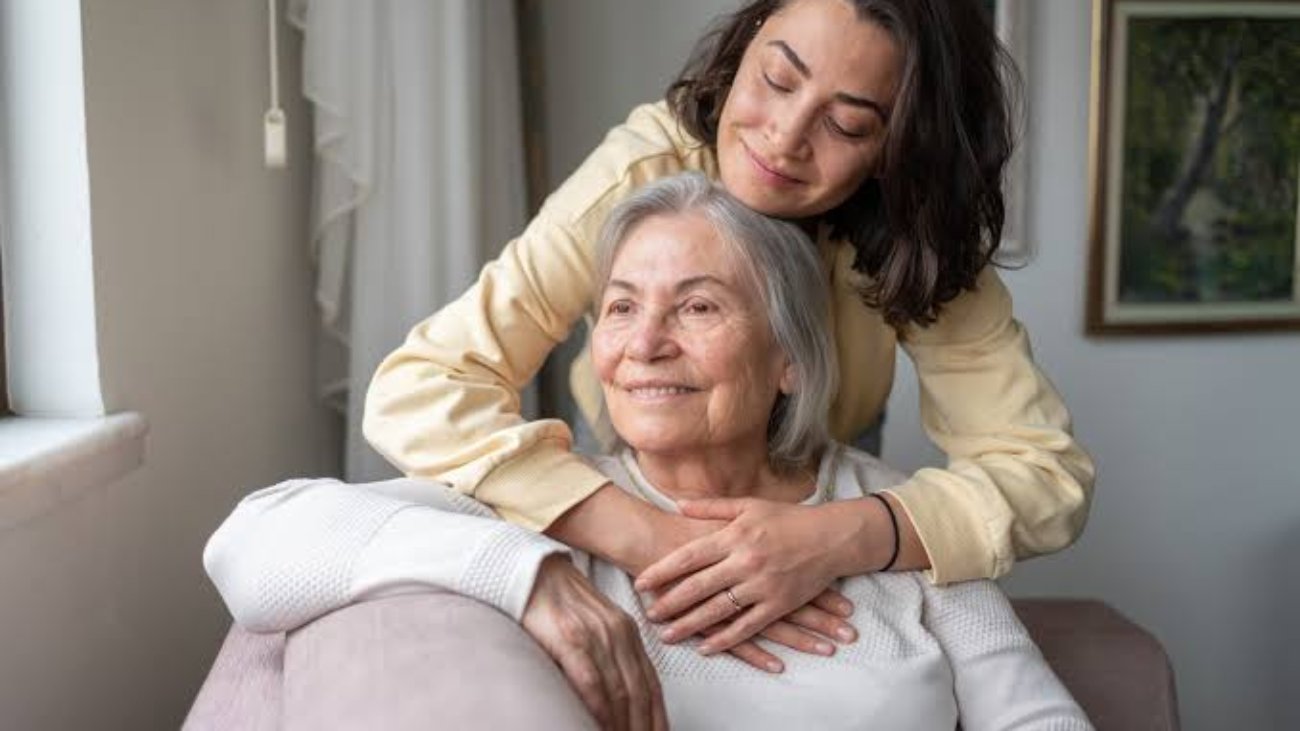
As people age, maintaining good mental health becomes just as important as maintaining physical health. While healthcare professionals play a vital role in supporting older adults, family members and caregivers are often the first to notice changes in emotional well-being, behavior, or cognitive function.
The support provided by family and caregivers can significantly influence a senior’s quality of life, emotional resilience, and overall well-being. From daily companionship to recognizing early signs of mental health challenges, caregivers serve as an essential part of a healthy aging journey.
Why Mental Health Matters in Older Adults
Mental health affects how people think, feel, and interact with the world around them. For seniors, emotional well-being influences many aspects of daily life, including:
- Physical health
- Social engagement
- Sleep quality
- Independence
- Cognitive function
- Overall quality of life
Although many older adults enjoy healthy and active lives, some may experience challenges such as:
- Loneliness
- Anxiety
- Depression
- Stress
- Grief and loss
- Cognitive decline
These issues often develop gradually, making early recognition particularly important.
The Growing Importance of Caregivers
As populations continue to age, more families are becoming involved in caregiving responsibilities.
Caregivers may include:
- Spouses
- Adult children
- Relatives
- Friends
- Professional caregivers
Their role often extends beyond physical assistance and includes emotional support, companionship, and monitoring overall well-being.
In many cases, caregivers become the primary source of daily interaction for older adults.
Providing Emotional Support
One of the most valuable contributions family members and caregivers provide is emotional connection.
Simple actions can make a meaningful difference:
- Regular conversations
- Active listening
- Shared activities
- Encouragement
- Expressions of empathy and understanding
Consistent emotional support helps seniors feel valued, respected, and connected.
Strong relationships can reduce feelings of loneliness and contribute to better mental wellness.
Recognizing Early Warning Signs
Mental health changes often occur gradually.
Family members and caregivers are frequently the first to notice subtle shifts such as:
A senior may become:
- More withdrawn
- Easily irritated
- Frequently sad
- Less interested in favorite activities
Avoiding family gatherings, community events, or regular social interactions can sometimes indicate emotional challenges.
Signs may include:
- Altered sleep patterns
- Reduced appetite
- Lower energy levels
- Neglect of personal routines
Caregivers may notice:
- Increased forgetfulness
- Difficulty concentrating
- Confusion during familiar tasks
- Changes in decision-making
Recognizing these signs early allows families to seek appropriate support when needed.

Encouraging Healthy Daily Routines
Daily habits have a powerful influence on mental wellness.
Caregivers can help seniors maintain routines that support both emotional and cognitive health.
Important habits include:
Regular movement may help improve mood, energy levels, and overall well-being.
Staying connected with friends, family, and community groups promotes emotional resilience.
Activities such as reading, puzzles, learning new skills, or participating in discussions help keep the mind active.
Consistent sleep patterns are closely linked to emotional and cognitive wellness.
Communication Is Key
Open communication is one of the strongest tools caregivers can use.
Seniors may not always discuss emotional difficulties directly. Creating a supportive environment encourages honest conversations about:
- Stress
- Anxiety
- Loneliness
- Health concerns
- Life transitions
When older adults feel heard and understood, they are often more comfortable seeking support when necessary.
The Role of Technology in Supporting Caregivers
Technology is creating new opportunities for families and caregivers to support senior mental wellness.
Modern digital tools can help:
- Monitor wellness trends
- Track daily check-ins
- Encourage engagement
- Improve communication
- Support early awareness of changes
Digital wellness platforms can provide additional insights that complement personal observation and caregiving efforts.
These tools are becoming increasingly valuable as families balance caregiving responsibilities with busy schedules and geographic distance.
Supporting Independence While Providing Care
One of the challenges caregivers face is balancing support with independence.
Most seniors want to remain active participants in their own health and wellness decisions.
Effective caregiving involves:
- Encouraging autonomy
- Respecting personal preferences
- Offering assistance when needed
- Promoting confidence and self-management
Maintaining this balance can positively impact emotional well-being and self-esteem.
Caring for the Caregiver
Supporting someone else’s well-being can be rewarding, but caregiving also comes with challenges.
Caregivers may experience:
- Emotional stress
- Fatigue
- Burnout
- Anxiety
- Physical exhaustion
Maintaining caregiver wellness is essential.
Helpful strategies include:
- Taking breaks
- Seeking support networks
- Practicing self-care
- Sharing responsibilities when possible
- Accessing community resources
Healthy caregivers are better equipped to provide effective support.
Looking Ahead
As healthcare systems place greater emphasis on prevention and early intervention, caregivers will continue to play an increasingly important role in supporting senior mental health.
Family members and caregivers often provide the first layer of awareness, emotional support, and daily engagement that can help older adults maintain their well-being.
Combined with healthcare services and emerging technologies, caregiver involvement can contribute significantly to healthier and more fulfilling aging experiences.
Conclusion
Family members and caregivers are among the most important influences on senior mental wellness.
Their ability to provide companionship, recognize early signs of change, encourage healthy routines, and foster meaningful connections can have a lasting impact on emotional and cognitive well-being.
As the aging population continues to grow, empowering caregivers with knowledge, resources, and supportive tools will remain an essential part of promoting healthy aging and improving quality of life for older adults.