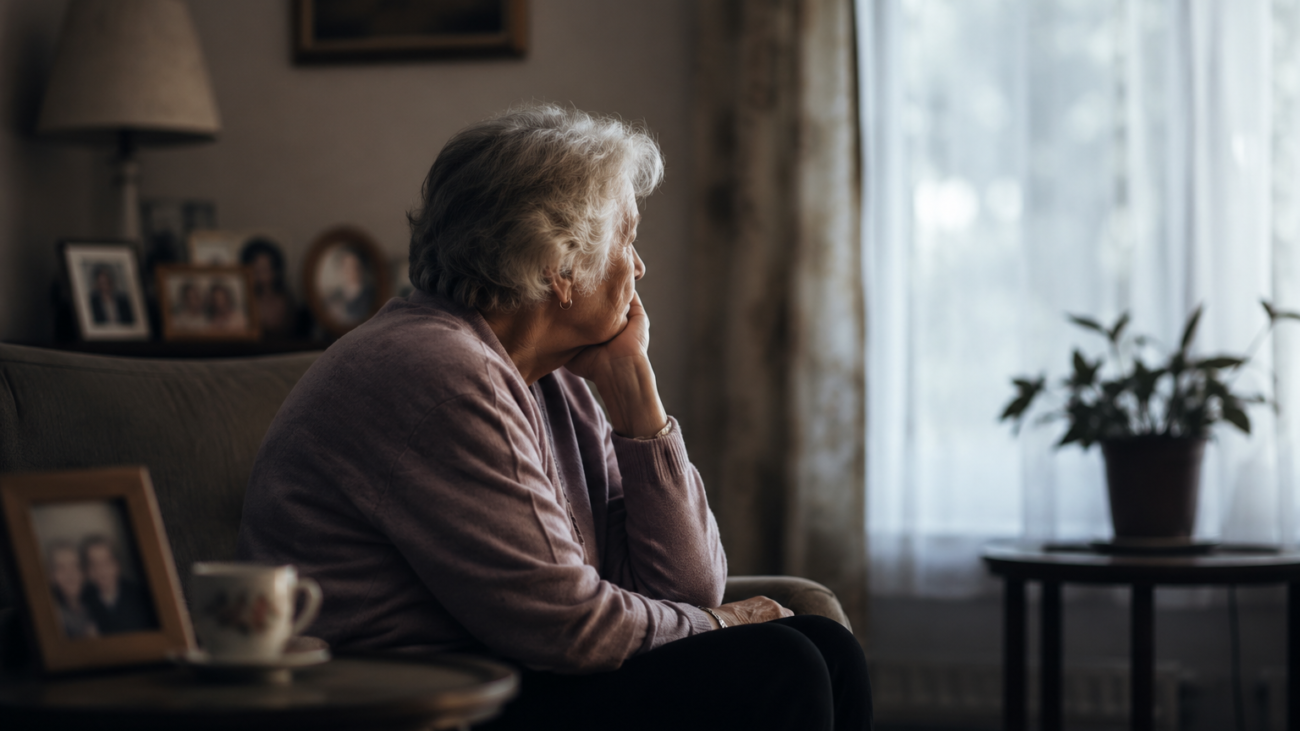
As populations age across Canada and many other countries, conversations about senior health often focus on chronic diseases, mobility challenges, and cognitive decline. While these issues deserve attention, there is another growing concern that frequently goes unnoticed: loneliness among older adults.
Loneliness is not simply a feeling of being alone. It is a complex emotional experience that occurs when a person feels disconnected from meaningful social relationships. For many seniors, loneliness can become a serious health risk that affects both mental and physical well-being.
Understanding Loneliness in Older Adults
A person can be surrounded by family members and still experience loneliness. Conversely, some individuals live independently and feel socially fulfilled. Loneliness is less about the number of people around us and more about the quality of our social connections.
Many factors contribute to loneliness in seniors, including:
Retirement and loss of daily social interaction
Death of a spouse, family member, or close friend
Reduced mobility and transportation challenges
Chronic health conditions
Living alone
Limited access to community activities
Geographic distance from family members
As people age, life transitions can gradually reduce opportunities for meaningful engagement, making loneliness increasingly common.
The Impact of Loneliness on Mental Health
Research has consistently shown that loneliness can significantly affect mental health. Seniors who experience prolonged loneliness may be at higher risk for:
Depression
Persistent feelings of isolation can contribute to sadness, hopelessness, and reduced motivation. Over time, these emotions may develop into clinical depression.
Anxiety
A lack of social support can increase worries about health, finances, safety, and the future. Some seniors become increasingly anxious about everyday activities.
Reduced Self-Esteem
When individuals feel disconnected from others, they may begin to question their value, purpose, or role within their family and community.
Emotional Distress
Loneliness often creates feelings of abandonment, frustration, and emotional pain that can negatively affect daily life.
The Physical Health Consequences
Many people are surprised to learn that loneliness can influence physical health as well.
One of the most important emerging areas of research focuses on the relationship between loneliness and cognitive function.
Social interaction stimulates the brain. Meaningful conversations, shared activities, and community participation help maintain mental engagement. When social connections decrease, opportunities for cognitive stimulation may also decline.
Researchers continue to explore how social isolation may be associated with:
Memory difficulties
Reduced cognitive performance
Slower mental processing
Increased risk of cognitive decline
Although loneliness is not the sole cause of cognitive changes, maintaining social engagement is increasingly recognized as an important part of healthy aging.
Signs That a Senior May Be Experiencing Loneliness
Family members and caregivers should be aware of common signs, including:
Withdrawal from social activities
Decreased communication with friends and family
Changes in mood or behavior
Increased irritability
Loss of interest in hobbies
Sleep disturbances
Expressions of feeling isolated or forgotten
Recognizing these signs early can help prevent more serious emotional and health-related consequences.
Practical Ways to Reduce Loneliness
Addressing loneliness requires a combination of personal, family, and community efforts.
Encourage Regular Communication
Phone calls, video chats, and in-person visits can help seniors maintain meaningful relationships.
Support Community Participation
Local community centers, senior programs, volunteer opportunities, and recreational groups provide valuable social interaction.
Promote Physical Activity
Walking groups, fitness classes, and outdoor activities can improve both social engagement and overall health.
Leverage Technology
Technology can help seniors stay connected with loved ones, participate in virtual communities, and access supportive resources.
Foster Purpose and Meaning
Volunteering, mentoring, hobbies, and lifelong learning activities can help older adults maintain a sense of purpose and fulfillment.
Looking Ahead
As Canada’s senior population continues to grow, loneliness deserves greater attention from healthcare providers, families, caregivers, and policymakers.
Healthy aging involves more than managing physical conditions. Emotional well-being, social connection, and a sense of belonging are equally important components of overall health.
By recognizing loneliness as a significant health concern and taking proactive steps to strengthen social connections, we can help older adults maintain a higher quality of life and greater well-being throughout their later years.
Creating supportive communities where seniors feel connected, valued, and engaged is not only beneficial for individuals—it is essential for society as a whole.